
Introduction
In today's rapidly evolving digital landscape, companies face increasing pressure to adopt digital transformation strategies that can enhance efficiency, improve customer experience, and drive business growth. A well-structured digital transformation roadmap is critical for navigating this complex journey, with AI technologies playing a pivotal role in reshaping business processes and strategies.
Understanding Digital Transformation
Digital transformation involves integrating digital technologies into all areas of a business, fundamentally changing how it operates and delivers value to customers. It goes beyond mere technological upgrades, requiring a cultural shift towards innovation, agility, and customer-centricity.
The Role of AI in Digital Transformation
Artificial Intelligence (AI) is at the forefront of digital transformation, offering solutions that can automate routine tasks, provide insightful data analysis, and enhance customer interactions. AI-driven technologies such as machine learning, natural language processing, and robotic process automation are revolutionizing industries by creating smarter and more efficient processes.
Building a Digital Transformation Roadmap
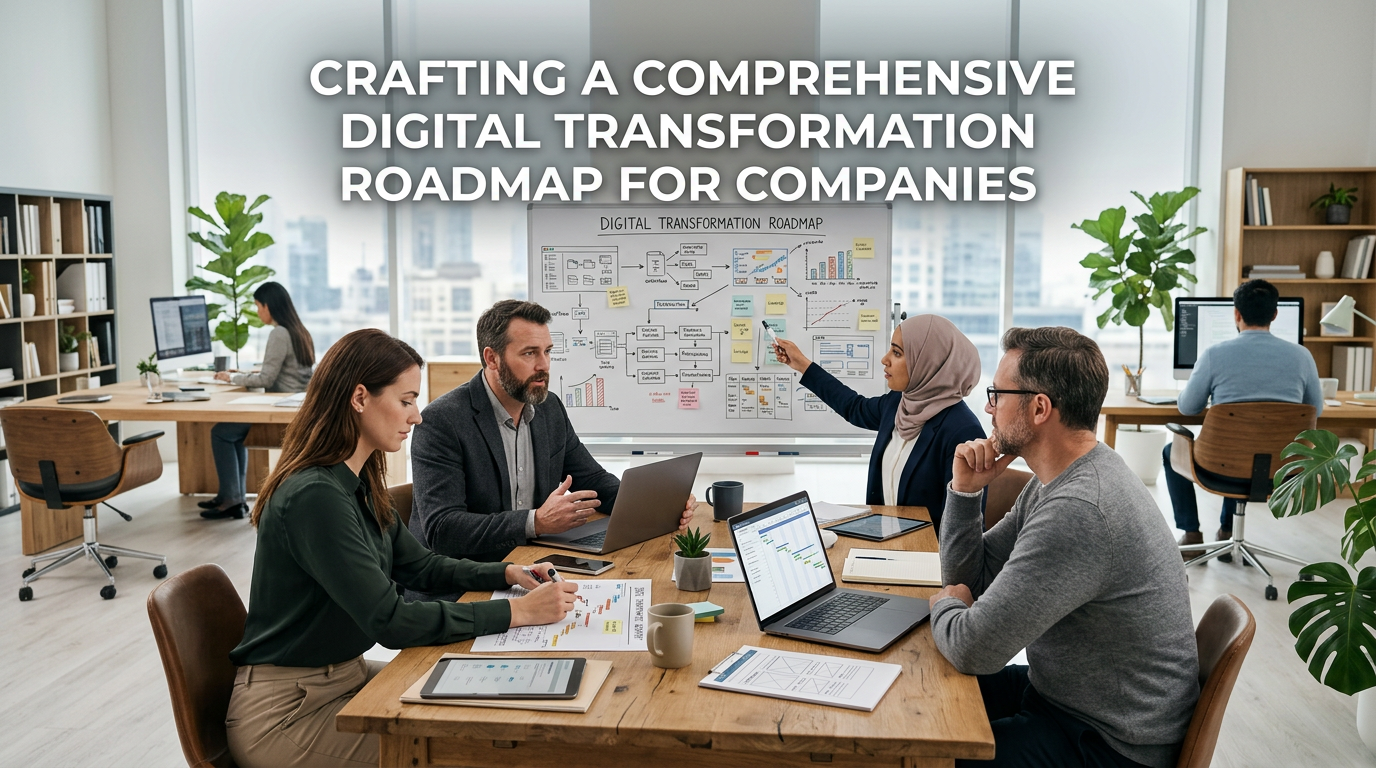
A digital transformation roadmap is a strategic plan that outlines the steps an organization will take to implement digital technologies and achieve its digital goals. This roadmap should be comprehensive, actionable, and aligned with the company's overall business strategy.
Step 1: Assess Current Digital Maturity
The first step in creating a digital transformation roadmap is to assess your current digital maturity. This involves evaluating existing technologies, processes, and workforce capabilities to identify areas for improvement and potential opportunities for digital integration.
Step 2: Define Clear Objectives and Goals
Clear objectives and goals are essential for guiding the digital transformation journey. These should align with your overall business strategy and focus on key areas such as enhancing customer experience, improving operational efficiency, and driving innovation.
Step 3: Identify AI Use Cases
Identifying potential AI use cases is a crucial component of the roadmap. Common AI applications include predictive analytics for customer insights, chatbots for customer service, and automated workflow systems to enhance operational efficiency. Consider industry-specific use cases that can provide competitive advantages.
Step 4: Develop an Implementation Strategy
Once AI use cases are identified, the next step is to develop a clear implementation strategy. This involves setting timelines, allocating resources, and defining roles and responsibilities. Collaboration between IT, operations, and business units is vital to ensure successful implementation.
Step 5: Invest in the Right Technology and Skills
Investing in the right technology and skills is crucial to support your digital transformation efforts. This may include acquiring new digital tools, upgrading existing systems, and investing in training programs to upskill employees and prepare them for new digital roles.
Step 6: Establish KPIs and Measure Outcomes
To ensure the success of your digital transformation, it is important to establish key performance indicators (KPIs) and continuously measure outcomes. KPIs may include metrics such as reduced operational costs, increased customer satisfaction scores, and improved employee productivity. Regularly reviewing these metrics will help refine your strategy and ensure alignment with business goals.
Examples of Successful Digital Transformation
Many companies have successfully navigated digital transformation by leveraging AI solutions. For example, a global retail chain implemented AI-driven analytics to optimize inventory management, leading to a 15% reduction in stockouts and a 20% increase in sales. Similarly, a leading bank used AI-powered chatbots to improve customer service, reducing response times by 60% and increasing customer satisfaction by 30%.
Conclusion
Digital transformation is no longer optional but a necessity for companies aiming to remain competitive in the digital age. A comprehensive roadmap that includes AI solutions can drive significant business value by enhancing processes, improving customer interactions, and enabling data-driven decision-making. By following a structured approach and continuously measuring outcomes, companies can successfully harness the power of digital transformation to achieve their strategic objectives.
Overcoming Challenges in Digital Transformation
Despite the promising benefits, digital transformation comes with its own set of challenges. Companies often face difficulties in adjusting organizational culture, managing technological transitions, and addressing cybersecurity concerns. Understanding and preparing for these challenges is crucial for a successful transformation.
Cultural Resistance
One of the biggest hurdles in digital transformation is cultural resistance. Employees may be apprehensive about changing their established workflows, fearing job displacement or the need to learn new skills. To overcome this, leadership must foster a culture of continuous learning and innovation, encouraging employees to embrace change as an opportunity for growth.
Technological Integration
Integrating new technologies with existing systems can be complicated. Legacy systems may not always be compatible with modern solutions, leading to potential disruptions. Planning a phased implementation and investing in flexible, scalable technologies can help mitigate these issues.
Cybersecurity Concerns
As digital transformation increases reliance on digital infrastructure, the risk of cyber threats grows. Implementing robust security measures, conducting regular audits, and ensuring compliance with regulations are essential steps to protect sensitive data and maintain customer trust.
The Future of Digital Transformation
Digital transformation is an ongoing journey, and its future will be shaped by emerging technologies and evolving business needs. Companies must stay informed about technological advancements and be prepared to adapt quickly to harness new opportunities.
Emerging Technologies
Technologies like blockchain, the Internet of Things (IoT), and advanced data analytics are poised to further revolutionize industries. Blockchain can enhance transparency and security in transactions, while IoT devices can improve operational efficiency through real-time data collection and analysis.
Adaptability and Continuous Improvement
Successful digital transformation requires a mindset of adaptability and continuous improvement. Organizations must be willing to iterate on their strategies, learn from failures, and leverage data-driven insights to refine their approaches.
Collaborative Innovation
Partnerships and collaborations can drive innovation and expedite digital transformation. Companies can benefit from sharing knowledge and resources, whether through strategic alliances, industry consortiums, or collaborations with tech startups.
Case Studies: Industry-Specific Transformations
Different industries have unique challenges and opportunities in digital transformation. Here are some examples:
- Healthcare: Hospitals are leveraging AI for diagnostic accuracy, reducing waiting times, and personalizing patient care. Telemedicine has also gained prominence, offering remote consultations and improving healthcare accessibility.
- Manufacturing: Smart factories are utilizing IoT and AI to optimize production processes, reduce downtime, and enhance product quality. Predictive maintenance powered by data analytics helps prevent equipment failures.
- Financial Services: Fintech companies are disrupting traditional banking through AI-driven risk assessments, personalized financial advice, and blockchain-based transactions, offering customers more efficient and transparent services.
Conclusion: Paving the Way Forward
The digital transformation journey is multifaceted, encompassing technological, cultural, and strategic dimensions. A successful transformation requires a well-crafted roadmap, a commitment to overcoming challenges, and an openness to future innovations. By focusing on creating value and prioritizing customer-centric strategies, companies can navigate the complexities of digital transformation and secure a competitive edge in an increasingly digital world.
Leveraging Data for Enhanced Decision-Making
Data is at the heart of digital transformation, serving as a critical asset for informed decision-making. Companies that successfully harness data can gain a competitive edge by uncovering insights that drive strategic decisions, optimize operations, and enhance customer experiences.
Data-Driven Culture
To fully realize the potential of data, organizations must cultivate a data-driven culture. This involves empowering employees at all levels to access and utilize data in their daily tasks. By fostering an environment where data is integrated into every decision-making process, companies can drive innovation and improve business outcomes.
Advanced Data Analytics
Implementing advanced data analytics tools and techniques allows companies to process vast amounts of data efficiently. Predictive analytics, for example, can help anticipate market trends and consumer behaviors, enabling proactive strategies. Additionally, machine learning algorithms can identify patterns and anomalies, offering deeper insights into business processes.
Real-Time Data Utilization
Real-time data utilization is crucial for dynamic decision-making. By leveraging real-time insights, companies can respond swiftly to market changes, optimize supply chains, and personalize customer interactions. Technologies such as IoT devices and cloud computing facilitate seamless data collection and processing, enabling businesses to remain agile and responsive.
Employee Empowerment in Digital Transformation
Successful digital transformation hinges on the active participation and empowerment of employees. Organizations must focus on equipping their workforce with the necessary skills and tools to thrive in a digital environment.
Upskilling and Training
Investing in upskilling and training programs is essential for fostering a skilled and adaptable workforce. Companies should offer continuous learning opportunities, focusing on digital literacy, data analysis, and emerging technologies. By equipping employees with the right skills, organizations can ensure seamless adaptation to new processes and technologies.
Encouraging Innovation
Encouraging employees to contribute innovative ideas and solutions is vital for fostering a culture of innovation. Creating platforms for collaboration and idea-sharing can inspire creative solutions to business challenges. Empowered employees are more likely to embrace change, driving the organization's digital transformation objectives forward.
Measuring the Success of Digital Transformation
To gauge the success of digital transformation efforts, companies must establish comprehensive metrics and evaluation frameworks. These metrics should align with strategic goals and provide insights into the effectiveness of transformation initiatives.
Aligning KPIs with Strategic Goals
Key Performance Indicators (KPIs) should be directly aligned with the organization's strategic objectives. These may include metrics related to customer satisfaction, operational efficiency, revenue growth, and innovation. By continually monitoring KPIs, companies can assess progress and adjust their strategies to meet evolving business needs.
Feedback and Continuous Improvement
Regularly soliciting feedback from stakeholders, including employees and customers, can provide valuable insights into the success of digital transformation efforts. This feedback can highlight areas for improvement and inform future initiatives. Embracing a culture of continuous improvement ensures that digital transformation remains an ongoing, evolving process.