
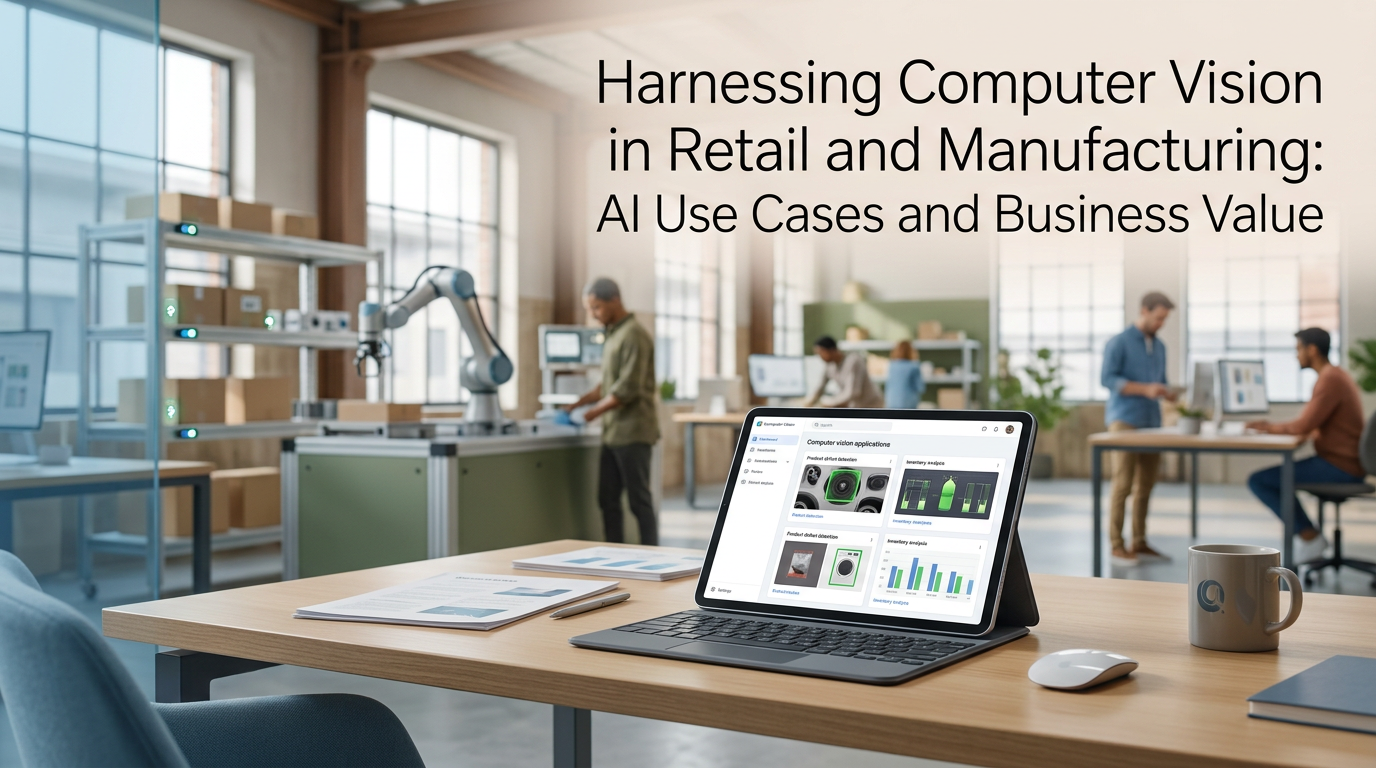
Introduction to Computer Vision in Retail and Manufacturing
In the era of digital transformation, computer vision has emerged as a pivotal technology, driving innovation across various industries. Retail and manufacturing, in particular, have witnessed a significant impact due to the integration of AI-powered computer vision solutions. This article explores the use cases, implementation steps, business value, and measurable outcomes of deploying computer vision in these sectors.
Understanding Computer Vision
Computer vision is a branch of artificial intelligence that enables machines to interpret and make decisions based on visual data. By leveraging deep learning algorithms, computer vision systems can analyze images and videos to automate tasks, improve efficiency, and enhance decision-making processes.
Use Cases in Retail
1. Inventory Management
One of the primary applications of computer vision in retail is inventory management. By using cameras and sensors, retailers can track inventory levels in real-time, identify stock shortages, and automate reorder processes. This ensures optimal stock levels, reduces the risk of overstocking or stockouts, and improves the overall supply chain efficiency.
2. Customer Experience Enhancement
Retailers are leveraging computer vision technologies to enhance customer experience. For instance, smart mirrors equipped with computer vision can provide personalized recommendations based on customer preferences and previous purchases. Additionally, facial recognition can be used to identify loyal customers and offer tailored promotions, improving customer satisfaction and loyalty.
3. Loss Prevention
Computer vision is also instrumental in loss prevention strategies. Advanced surveillance systems can detect suspicious activities and potential thefts in real-time, allowing retailers to respond promptly and minimize losses. This not only protects assets but also ensures a safer shopping environment.
Use Cases in Manufacturing
1. Quality Control
In manufacturing, computer vision is revolutionizing quality control processes. By analyzing images of products on the production line, AI systems can detect defects and anomalies with high precision. This automation reduces the need for manual inspections, decreases error rates, and ensures that only high-quality products reach the market.
2. Predictive Maintenance
Computer vision enables predictive maintenance by monitoring equipment and machinery for signs of wear and tear. By identifying potential issues before they lead to breakdowns, manufacturers can perform maintenance proactively, reducing downtime and extending the lifespan of equipment.
3. Automated Assembly
AI-powered vision systems are employed in automated assembly lines to guide robotic arms and ensure precise operations. This increases production speed and accuracy while reducing labor costs. Moreover, real-time monitoring allows for quick adjustments, enhancing overall operational efficiency.
Implementation Steps for Computer Vision Solutions
1. Define Objectives
Before implementing computer vision solutions, it is crucial to clearly define the business objectives. Understanding the specific problems that need to be addressed will guide the selection of appropriate technologies and solutions.
2. Data Collection and Preparation
Successful computer vision systems rely on vast amounts of data. Collecting and preparing high-quality visual data sets is essential for training and optimizing AI algorithms. This step involves capturing images or video footage relevant to the intended application.
3. Choose the Right Technology
Selecting the right hardware and software platforms is vital. This includes choosing cameras, sensors, and AI frameworks that best fit the operational needs and budget constraints.
4. Develop and Train Models
Develop AI models using machine learning techniques, ensuring they are trained on diverse data sets to improve accuracy and reliability. This step requires collaboration with data scientists and AI experts.
5. Integration and Testing
Integrate the computer vision system into existing infrastructures and conduct comprehensive testing to ensure seamless operations. Testing helps identify any issues and allows for fine-tuning before full-scale deployment.
Measuring Business Value and Outcomes
1. Key Performance Indicators (KPIs)
To evaluate the impact of computer vision solutions, businesses should establish specific KPIs. In retail, these may include inventory turnover rates, customer satisfaction scores, and reduction in theft incidents. In manufacturing, KPIs might focus on defect rates, equipment downtime, and production throughput.
2. ROI Analysis
Conducting a return on investment (ROI) analysis helps quantify the financial benefits gained from computer vision implementations. This includes calculating cost savings, revenue growth, and improved operational efficiencies.
Conclusion
Computer vision is transforming the retail and manufacturing landscape by providing innovative solutions that enhance operational efficiency, improve customer experiences, and drive business growth. By strategically implementing these technologies, businesses can achieve significant competitive advantages and realize substantial financial returns.
Challenges and Considerations
While the benefits of computer vision in retail and manufacturing are significant, there are also challenges to consider. Successful implementation requires addressing various technical and operational issues.
1. Data Privacy and Security
With the deployment of computer vision systems, there is a considerable increase in data collection, particularly sensitive visual data. Ensuring customer privacy and safeguarding data against breaches is paramount, requiring robust security protocols and compliance with privacy regulations.
2. System Integration
Integrating computer vision technology with existing IT systems can pose challenges. Compatibility issues, data synchronization, and the need for custom APIs can complicate the implementation process.
3. Scalability
As businesses grow, computer vision systems must scale accordingly. This involves upgrading hardware, expanding data storage capacities, and ensuring that AI models can handle larger volumes of data without compromising performance.
4. High Initial Costs
One of the barriers to entry for adopting computer vision solutions is the high initial investment required for hardware, software, and expertise. Companies must weigh these costs against the potential long-term benefits.
Future Trends in Computer Vision
As technology advances, computer vision will continue to evolve, offering new opportunities and applications in retail and manufacturing.
1. Edge Computing
Edge computing is becoming increasingly popular in computer vision applications. By processing data closer to the source, such as on cameras or local devices, businesses can reduce latency and bandwidth usage, enabling faster decision-making.
2. Augmented Reality (AR)
The integration of augmented reality with computer vision is set to transform user experiences in retail and manufacturing. AR can provide real-time information overlays, enhancing everything from product demonstrations to equipment maintenance procedures.
3. Improved AI Algorithms
Continued advancements in AI algorithms will drive improvements in accuracy and efficiency. More powerful algorithms can handle complex tasks, learning from smaller datasets and offering better predictions and insights.
Case Studies
1. Retail Case Study: Enhancing Customer Experience with Smart Stores
A leading global retailer implemented computer vision in their stores to monitor customer traffic and optimize store layouts. The data collected helped in rearranging product displays strategically, increasing sales by 15%. Smart mirrors provided personalized product recommendations, enhancing the shopping experience.
2. Manufacturing Case Study: Revolutionizing Quality Assurance
A major automotive manufacturer adopted computer vision for quality assurance, drastically reducing defect rates. The AI system identified minute flaws that were previously undetectable by human inspectors, ensuring only top-quality products reached the market.
Conclusion
Computer vision presents transformative potential for both retail and manufacturing sectors. By embracing this technology, businesses can not only enhance operational efficiencies but also unlock new customer engagement opportunities and optimize product quality. The path forward involves overcoming initial challenges and staying attuned to evolving trends and technologies.
Regulatory and Ethical Considerations
As computer vision continues to evolve and become more integrated into retail and manufacturing, businesses must remain aware of the regulatory and ethical considerations that accompany its use.
1. Compliance with Regulations
Organizations must ensure adherence to global and local regulations regarding data collection and privacy. This includes complying with regulations such as the General Data Protection Regulation (GDPR) in Europe, which governs the use of personal data and mandates transparency and accountability in data handling practices.
2. Ethical Use of AI
Implementing AI-powered computer vision requires an ethical framework to address concerns about unbiased decision-making and the potential for surveillance overreach. Businesses should establish guidelines and ethics committees to oversee the deployment and use of AI technologies, ensuring fairness and transparency.
Collaboration and Partnerships
To successfully implement computer vision solutions, businesses often need to engage in strategic partnerships and collaborations.
1. Partnering with Technology Providers
Collaborating with technology providers can offer access to advanced computer vision platforms and expertise. Strategic partnerships can accelerate development cycles and provide businesses with the necessary tools and support to implement robust solutions.
2. Academic Collaboration
Engaging with academic institutions and research organizations can foster innovation and provide access to cutting-edge research in computer vision. Joint research initiatives can lead to the development of new algorithms and applications that address industry-specific challenges.
Training and Workforce Development
The integration of computer vision technologies necessitates a skilled workforce capable of managing and optimizing these systems.
1. Upskilling Employees
Businesses should invest in training programs to equip employees with the necessary skills to work with computer vision technologies. This includes understanding AI principles, data analysis, and system integration.
2. Attracting New Talent
As the demand for AI expertise grows, attracting skilled professionals in computer vision and AI becomes crucial. Companies may need to offer competitive salaries and focus on creating a dynamic work environment to attract top talent.