
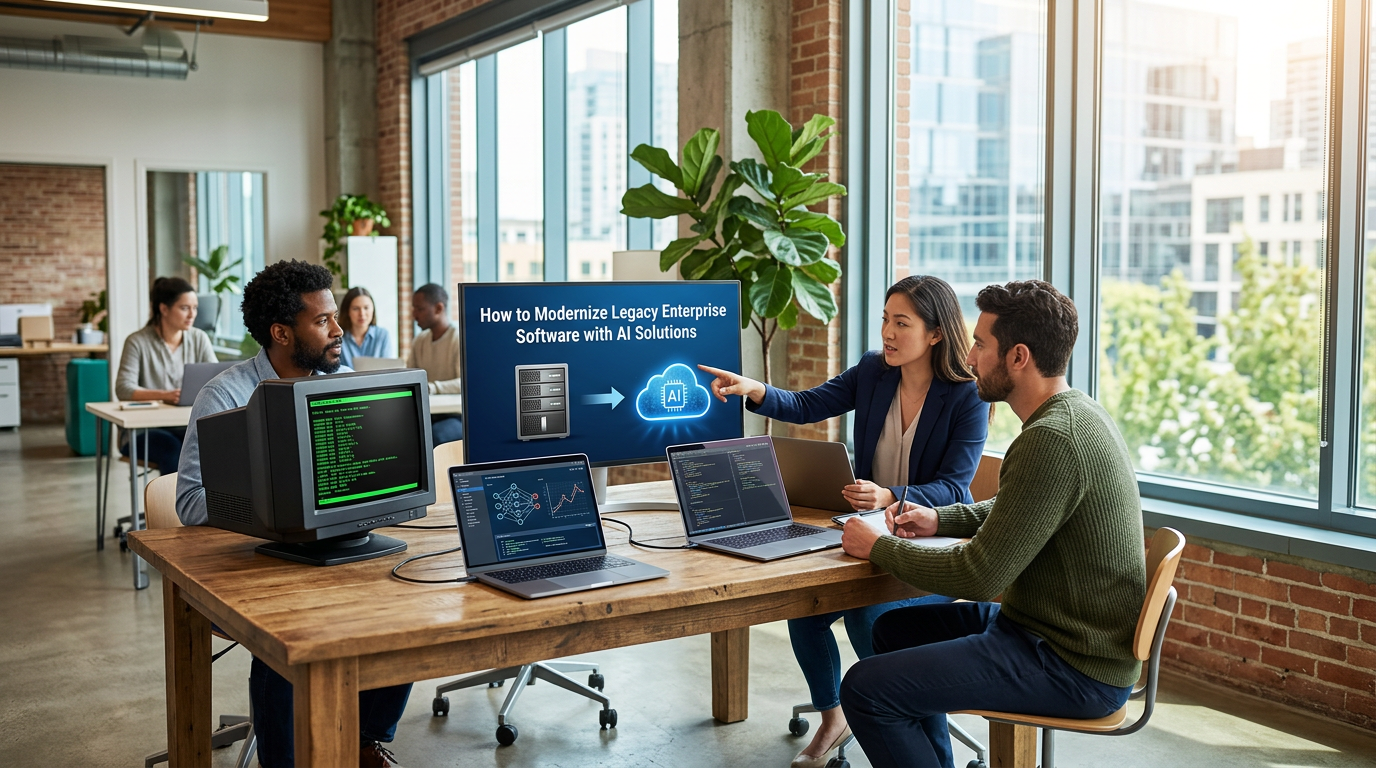
Introduction
In the rapidly evolving digital landscape, companies are constantly challenged to innovate and adapt. However, many enterprises are still reliant on legacy software systems, which can hinder growth and competitiveness. These outdated systems often lack the flexibility and efficiency required to meet modern business demands. The integration of Artificial Intelligence (AI) offers a compelling solution for modernizing legacy enterprise software, enabling organizations to enhance functionality, improve user experience, and drive business value.
Understanding Legacy Systems
Legacy systems are outdated software applications or technologies that continue to meet certain business needs but are built on obsolete technology platforms. These systems often suffer from high maintenance costs, limited integration capabilities, and a lack of support for new business processes. As a result, companies find themselves at a crossroads: either continue to invest in outdated systems or embark on a challenging modernization journey.
The Role of AI in Modernization
AI technologies offer a significant opportunity to breathe new life into legacy enterprise systems. By leveraging AI, organizations can automate routine tasks, enhance decision-making processes, and improve operational efficiency. AI can be deployed in various forms, including machine learning, natural language processing, and robotic process automation, to modernize legacy software.
Use Cases of AI in Legacy Modernization
1. Intelligent Process Automation
AI can automate repetitive tasks that consume valuable human resources. For example, AI-driven automation can streamline data entry, document processing, and customer support operations. By reducing manual intervention, companies can significantly decrease error rates and improve service delivery.
2. Predictive Analytics
Legacy systems lack the analytical capabilities required to process large datasets and generate actionable insights. AI-driven predictive analytics can enhance decision-making by providing real-time insights into customer behavior, market trends, and operational performance. This enables organizations to make data-driven decisions that can result in increased profitability and market competitiveness.
3. Enhanced User Experience
AI technologies such as chatbots and virtual assistants can significantly improve user experience by providing instant support and personalized interactions. These tools can be integrated into legacy systems to handle user queries, provide recommendations, and facilitate seamless navigation, thereby enhancing customer satisfaction and loyalty.
Implementation Strategies
Successfully modernizing legacy software with AI requires careful planning and execution. Organizations should undertake a comprehensive assessment of their current systems to identify areas ripe for AI integration. This involves evaluating existing processes, identifying bottlenecks, and determining the potential impact of AI interventions.
Next, companies should focus on skill development and technology acquisition. Investing in AI training for employees ensures that they are equipped to work with new technologies. Additionally, collaborating with AI solution providers can offer access to cutting-edge tools and expertise, reducing the risk of implementation failures.
Measurable Outcomes and Business Value
The modernization of legacy enterprise software using AI solutions delivers tangible business benefits. By automating processes and enhancing decision-making, companies can achieve significant cost savings and productivity gains. Moreover, the improved user experience can lead to increased customer retention and acquisition.
Organizations that successfully implement AI in their legacy systems often report enhanced operational efficiency, reduced downtime, and improved scalability. These outcomes not only strengthen the competitive position of the business but also create opportunities for innovation and growth.
Conclusion
Modernizing legacy enterprise software with AI is a strategic imperative for companies looking to thrive in the digital age. AI technologies provide the tools necessary to transform outdated systems into dynamic, efficient, and scalable solutions. By embracing AI, organizations can unlock new levels of performance and business value, preparing themselves for future opportunities and challenges.
Addressing Common Challenges in Modernization
While the advantages of leveraging AI to modernize legacy systems are clear, organizations often face several challenges in the process. Successfully addressing these challenges requires a thoughtful approach and strategic planning.
Data Integration and Management
One of the primary challenges in modernizing legacy systems is integrating disparate data sources. Legacy systems often store data in silos, making it difficult to achieve a seamless data flow. Implementing AI requires harmonizing this data to enable effective machine learning and analytics. Organizations should focus on establishing robust data integration frameworks and utilizing AI-powered tools that facilitate efficient data management.
Security Considerations
Security is a major concern during the modernization of legacy systems. As these systems are integrated with AI technologies, safeguarding sensitive data becomes paramount. Organizations need to implement robust security measures, including encryption, access controls, and regular audits, to ensure data integrity and compliance with industry regulations.
Resistance to Change
Human factors such as resistance to change can impede the modernization efforts. Employees accustomed to legacy systems may be hesitant to adopt new AI-driven solutions. To mitigate this, organizations should invest in change management strategies, including clear communication, training programs, and involving employees in the transition process to foster acceptance and enthusiasm for new technologies.
Future Trends in Legacy System Modernization
The modernization of legacy systems is a dynamic field that continues to evolve with technological advancements. Staying abreast of these trends can provide organizations with strategic insights and opportunities for innovation.
Cloud Adoption
Cloud computing is playing a significant role in modernizing legacy systems. Migrating legacy applications to the cloud offers scalability, flexibility, and cost efficiency. Companies are increasingly adopting cloud-based AI solutions to enhance their legacy systems, allowing for rapid deployment and easy access to advanced analytical tools.
Edge Computing
Edge computing is emerging as a transformative trend in legacy modernization. By processing data closer to the source, edge computing reduces latency and enhances real-time decision-making capabilities. Organizations can leverage edge AI to bring intelligence to legacy systems, improving responsiveness and minimizing the need for constant data transfers to centralized servers.
Low-Code Platforms
Low-code development platforms are becoming increasingly popular in the modernization of legacy systems. These platforms enable rapid application development with minimal coding, allowing businesses to quickly deploy AI-driven solutions that integrate seamlessly with legacy infrastructure. This democratizes the modernization process, empowering non-technical users to contribute to the transformation journey.
Case Studies: Successful Modernization Examples
Examining real-world examples of successful legacy system modernization can provide valuable insights and inspiration for organizations embarking on their own transformation journeys.
- Case Study 1: Retail Transformation
A leading retail company modernized its inventory management system by integrating AI-powered predictive analytics. This transformation enabled the company to optimize stock levels, reduce waste, and improve customer satisfaction by ensuring product availability. As a result, the company experienced a 15% increase in sales and a significant reduction in operational costs.
- Case Study 2: Financial Services Overhaul
A major financial institution revamped its customer service operations by deploying AI-driven chatbots and virtual assistants. These tools handled routine customer inquiries, freeing up human agents to focus on complex issues. The enhanced efficiency and improved customer experience led to a 20% increase in customer retention and a 30% decrease in service response time.
Conclusion: The Path Forward
Modernizing legacy enterprise software with AI is not only an opportunity but a necessity in today's competitive landscape. By embracing AI technologies, organizations can transform outdated systems into dynamic assets that drive innovation, efficiency, and growth. The journey may present challenges, but with careful planning, collaboration, and a forward-thinking mindset, the benefits far outweigh the hurdles. As businesses continue to evolve, the integration of AI into legacy systems will remain a critical strategy for achieving long-term success and sustainability.