
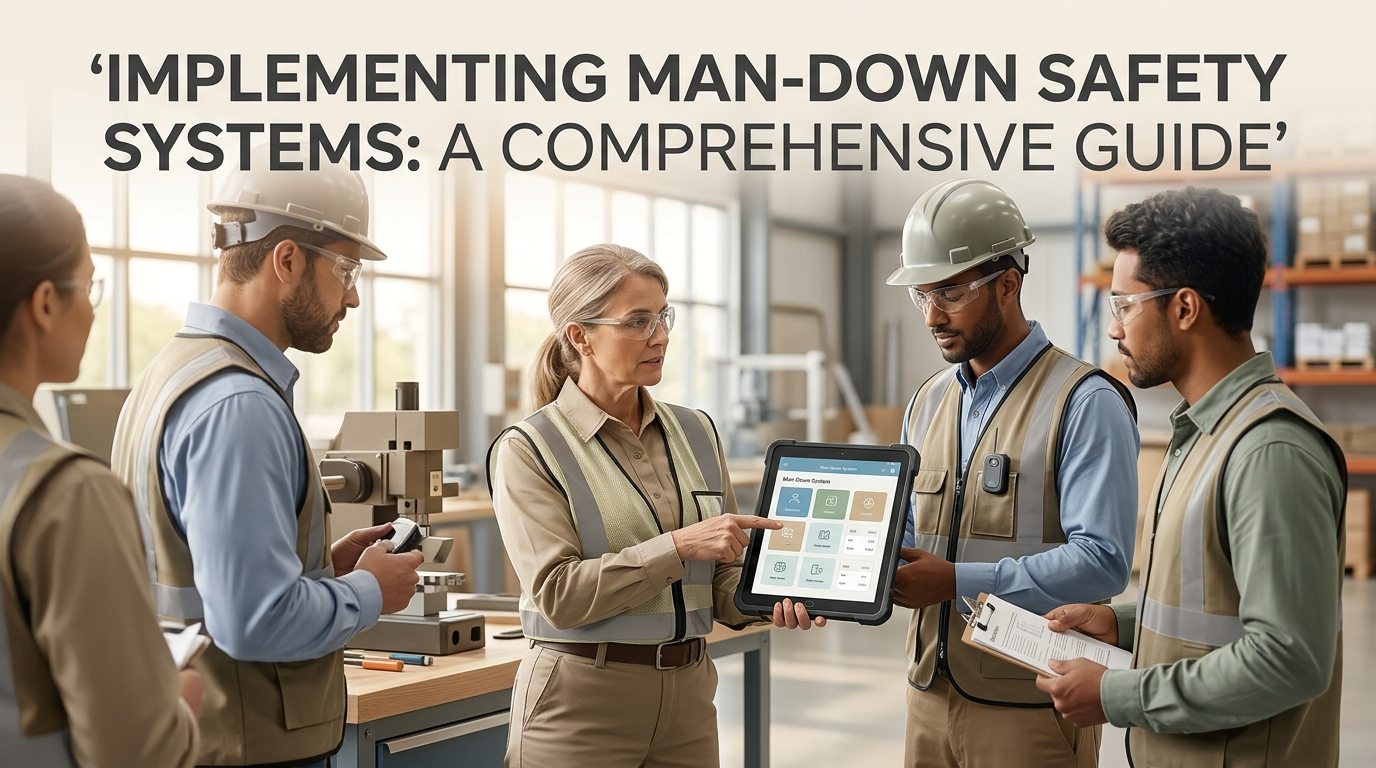
Introduction to Man-Down Safety Systems
In today's fast-paced industrial environments, ensuring worker safety is paramount. Man-Down safety systems have emerged as critical tools in safeguarding employees, particularly in hazardous work settings. By utilizing advanced artificial intelligence (AI) technologies, these systems offer real-time monitoring and rapid response capabilities to potential accidents or health incidents involving lone workers.
The Role of AI in Man-Down Systems
AI Solution Use Cases
AI-powered Man-Down systems are designed to detect when an employee has fallen or is in a position indicative of distress. These solutions are particularly beneficial in industries such as construction, manufacturing, and remote fieldwork, where workers may not always be in view of coworkers or supervisors. AI algorithms can analyze data from wearable devices, such as accelerometers and gyroscopes, to detect unusual movements or postures that suggest a fall or incapacitation.
Practical Implementation Steps
Step 1: Needs Assessment
The first step in implementing a Man-Down system is conducting a thorough needs assessment. This involves identifying the specific challenges and risks present in the workplace that could lead to man-down situations. Understanding these factors will help in selecting the right AI-based system tailored to the organization's unique requirements.
Step 2: Selection of Technology
Choosing the correct technology involves evaluating the available solutions on the market. This includes considering the types of sensors required, the integration capabilities with existing systems, and the scalability of the solution. Decision-makers should look for systems that provide comprehensive data analytics, real-time monitoring, and seamless integration with emergency response protocols.
Step 3: Pilot Testing
Implementing a pilot program is essential to understanding how the Man-Down system will function in real-world conditions. This phase allows organizations to test the system's performance, gather feedback from users, and make necessary adjustments before a full-scale rollout.
Step 4: Training and Deployment
Training employees on how to use the new system is crucial. This involves educating them on the functionality and benefits of the Man-Down system, as well as procedures to follow in the event of an alert. Once training is complete, the system can be officially deployed across the organization.
Business Value and Measurable Outcomes
Enhanced Safety and Compliance
One of the primary business values of implementing a Man-Down safety system is enhanced workplace safety, leading to compliance with industry safety standards. By providing real-time alerts and ensuring rapid response to incidents, these systems significantly reduce the risk of serious injuries and fatalities.
Cost Savings
Investing in Man-Down safety systems can lead to substantial cost savings over time. By preventing accidents and reducing the severity of injury-related incidents, organizations can lower their insurance premiums and minimize productivity losses associated with workplace accidents.
Improved Employee Morale
Employees who feel safe are often more satisfied and productive. By demonstrating a commitment to worker safety through advanced technologies, organizations can enhance employee morale and retention rates.
Key Performance Indicators (KPIs)
Measuring the success of a Man-Down system involves tracking several key performance indicators, including:
- Response Time: The average time taken to respond to alerts.
- Incident Reduction Rate: The decrease in the number of man-down incidents over time.
- System Accuracy: The rate at which the system correctly identifies actual man-down events versus false positives.
- Employee Satisfaction: Surveys and feedback from employees regarding their sense of safety and confidence in the system.
Examples of Successful Implementations
Consider the example of a large construction firm that implemented an AI-powered Man-Down system across its worksites. The system not only provided immediate alerts to supervisors but also integrated with the company's emergency response protocols, ensuring that medical assistance was dispatched promptly. As a result, the firm reported a 35% reduction in man-down incidents within the first year of deployment and observed a marked improvement in worker safety compliance.
Risks and Challenges
Data Privacy Concerns
One of the primary challenges in implementing AI-based Man-Down systems is ensuring data privacy. Organizations must ensure that the data collected by sensors and wearables are protected and used solely for the purpose of enhancing safety.
Technology Integration
Another challenge is integrating the new system with existing technologies and workflows. Companies must invest in robust IT support to ensure seamless integration and operation of the Man-Down system.
Conclusion
Implementing AI-powered Man-Down safety systems offers significant advantages in enhancing workplace safety, reducing operational costs, and improving employee morale. By following a structured implementation workflow, companies can successfully integrate these systems into their safety protocols, resulting in a safer and more productive work environment. As technology evolves, the capabilities and effectiveness of Man-Down systems are likely to advance, further solidifying their position as indispensable tools for workplace safety.
Future Innovations in Man-Down Systems
Integration with IoT Devices
The Internet of Things (IoT) has the potential to revolutionize Man-Down safety systems. By integrating IoT devices with existing infrastructure, organizations can achieve a more interconnected and responsive safety network. IoT-enabled wearables can communicate with one another to provide a broader view of the work environment, enhancing the accuracy of fall detection and incident reporting.
Advanced AI Algorithms
Future advancements in AI will further refine the capabilities of Man-Down systems. Machine learning models can be developed to analyze complex behaviors and predict potential incidents before they occur. These algorithms can learn from historical data to identify patterns that precede accidents, enabling proactive interventions.
Implementing a Culture of Safety
While technology plays a critical role in enhancing safety, fostering a culture of safety within the organization is equally important. Leadership should emphasize the importance of safety in company values and policies, ensuring that all employees recognize their role in maintaining a safe work environment.
Continuous Training Programs
Regular training sessions are essential to keep employees informed about safety protocols and new technologies. These programs should be designed to equip workers with the knowledge and skills needed to respond effectively to potential hazards and emergencies.
- Workshops: Conduct interactive workshops that simulate emergency scenarios and teach employees how to use safety equipment.
- E-Learning Modules: Develop online courses that employees can access at their convenience to reinforce safety knowledge.
- Feedback Mechanisms: Encourage employees to provide feedback on safety practices and suggest improvements to enhance system effectiveness.
Customization and Scalability
Tailored Solutions for Diverse Industries
Different industries have unique safety requirements, and Man-Down systems should be customizable to meet these diverse needs. For instance, a system designed for the mining industry may require different sensor configurations and response protocols compared to one for healthcare environments.
Scalability for Growing Organizations
As companies expand, their safety systems must be scalable to accommodate more employees and larger operational areas. Scalable solutions allow organizations to deploy additional sensors and devices as needed, ensuring comprehensive coverage without significant overhauls.
Case Study: A Manufacturing Success Story
A global manufacturing company implemented a Man-Down system to address safety concerns in its factories. The system was integrated with IoT devices to monitor worker movements and environmental conditions. Through data analysis, the company identified high-risk areas and implemented targeted safety measures. This proactive approach led to a 50% reduction in workplace accidents and improved compliance with industry safety standards.
Ensuring Long-Term Sustainability
Sustainability in safety practices is crucial for long-term success. Organizations should conduct regular audits to assess the effectiveness of their Man-Down systems and update them based on the latest technological advancements. By maintaining a commitment to continuous improvement, companies can ensure that their safety systems remain effective and relevant.