
Introduction
In today's fast-paced industrial environment, ensuring workplace safety is paramount. Personal Protective Equipment (PPE) is a fundamental element of workplace safety strategies. However, the traditional methods of monitoring and enforcing PPE compliance are often inefficient, time-consuming, and prone to human error. Enter AI-driven PPE Check systems, a revolutionary solution designed to enhance workplace safety standards through advanced technology.
Understanding PPE Check Systems
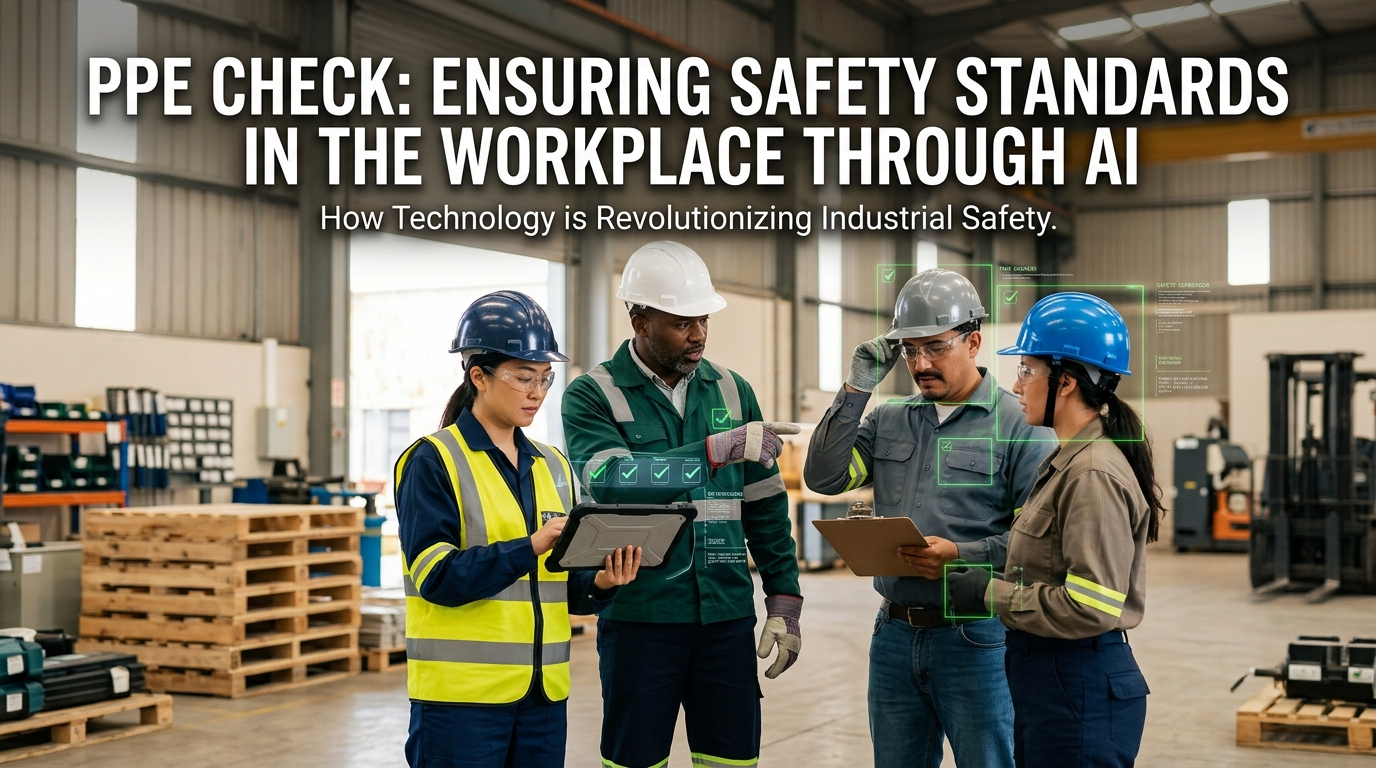
PPE Check systems utilize artificial intelligence to automatically monitor and evaluate the use of personal protective equipment in real-time. By leveraging machine learning algorithms, these systems can recognize whether employees are wearing the necessary protective gear, such as helmets, gloves, and safety glasses, and issue alerts or notifications if discrepancies are detected.
AI Technology in PPE Check Systems
AI-driven PPE Check systems are equipped with computer vision technology, which enables the recognition of PPE through cameras installed across the workplace. These systems can be integrated with existing surveillance infrastructure, making implementation seamless and cost-effective. The AI models are trained to identify specific PPE based on shape, color, and other distinguishing features, ensuring high accuracy in diverse working conditions.
Practical Implementation of PPE Check Systems
Implementing a PPE Check system involves several critical steps to ensure effective monitoring and compliance. Here’s a detailed workflow for deploying such a system:
Step 1: Conduct a Needs Assessment
Before implementation, it's crucial to assess the specific PPE needs and compliance requirements of the workplace. This involves identifying high-risk areas, determining the types of PPE required, and understanding the current compliance challenges.
Step 2: Infrastructure Setup
Install cameras and sensors in strategic locations where PPE compliance needs to be monitored. Ensure these devices are compatible with the AI platform and provide comprehensive coverage of the workplace.
Step 3: System Integration
Integrate the PPE Check system with existing surveillance and safety management infrastructure. This step often requires collaboration between IT departments and safety officers to ensure smooth data flow and system operation.
Step 4: AI Model Training
Train the AI models using datasets specific to the workplace’s PPE requirements. This involves feeding the system with images and scenarios that reflect the expected PPE usage, enhancing the model's accuracy and reliability.
Step 5: Pilot Testing and Calibration
Conduct a pilot test of the system to identify any operational issues or inaccuracies. Use the feedback to calibrate the AI models and adjust system parameters to improve performance.
Business Value of PPE Check Systems
The implementation of AI-driven PPE Check systems offers numerous business benefits that extend beyond safety compliance.
Enhanced Safety Compliance
By providing real-time monitoring and alerts, PPE Check systems ensure that employees adhere to safety regulations, reducing the risk of accidents and injuries. This proactive approach not only protects workers but also minimizes potential liabilities and legal repercussions for businesses.
Operational Efficiency
Automating PPE compliance checks reduces the burden on safety officers, allowing them to focus on more strategic safety initiatives. It streamlines the compliance process, saving time and reducing human resource costs.
Data-Driven Insights
PPE Check systems generate valuable data on compliance patterns and trends over time. Businesses can leverage this data to identify areas for improvement, optimize safety training programs, and allocate resources more effectively.
Brand Reputation and Trust
Demonstrating a commitment to safety through advanced technology enhances a company’s reputation among clients, partners, and employees. It builds trust and fosters a culture of safety that can attract top talent and customer loyalty.
Key Performance Indicators (KPIs) for PPE Check Systems
To measure the effectiveness of PPE Check systems, businesses should track specific KPIs that reflect safety compliance and system performance:
Compliance Rate
The percentage of employees who adhere to PPE requirements as detected by the system. A high compliance rate indicates successful implementation and enforcement.
Incident Reduction
The decrease in workplace accidents and injuries related to PPE compliance since system deployment. This KPI is crucial for evaluating the system’s direct impact on safety.
Alert Response Time
The average time taken to respond to alerts issued by the system. Faster response times indicate efficient system integration and prompt action, minimizing risks.
System Accuracy
The precision of the AI models in correctly identifying PPE compliance. High accuracy reduces false positives and negatives, ensuring reliable monitoring.
Conclusion
AI-driven PPE Check systems are transforming the landscape of workplace safety by offering a robust, automated solution for ensuring PPE compliance. By implementing these systems, businesses can enhance safety, increase operational efficiency, and derive valuable insights to drive continuous improvement. As industries continue to prioritize safety, the integration of AI technology into safety protocols will undoubtedly become an essential component of modern workplace management.
Risks and Challenges of PPE Check Systems
While AI-driven PPE Check systems offer significant benefits, it's essential to address potential risks and challenges that could arise during their implementation and operation.
Privacy Concerns
The use of cameras and sensors for monitoring can raise privacy concerns among employees. Organizations must ensure that the deployment of PPE Check systems complies with data protection regulations and that employees are informed about the extent and purpose of monitoring.
Technical Limitations
AI systems rely on accurate and high-quality data to function effectively. Poor camera quality, inadequate lighting, or obstructions in the workplace can impede the system’s ability to accurately identify PPE compliance, leading to potential errors.
Resistance to Change
Introducing new technology in the workplace can be met with resistance from employees who may be uncomfortable with increased surveillance or skeptical about AI's reliability. Providing adequate training and addressing concerns transparently is crucial for successful adoption.
Integration Challenges
Integrating PPE Check systems with existing safety and IT infrastructure can be complex and may require significant time and resources. Ensuring compatibility and seamless data flow is essential for optimal system performance.
Examples of PPE Check Implementation
Several industries have successfully implemented PPE Check systems, showcasing their versatility and effectiveness in varied environments.
- Manufacturing Plants: A major automotive manufacturer integrated PPE Check systems into their assembly lines, resulting in a 30% reduction in safety incidents related to PPE non-compliance. The system also provided actionable insights that helped refine safety protocols.
- Construction Sites: On a large construction project, a PPE Check system was deployed to monitor helmet and harness usage. The system's real-time alerts helped supervisors address compliance issues instantly, improving overall site safety.
- Oil and Gas Industry: An offshore drilling company utilized PPE Check systems to ensure compliance with rigorous safety standards. The data collected from the system was used to enhance training programs, focusing on areas with frequent non-compliance incidents.
Future Trends in PPE Check Systems
The evolution of AI technology continues to open new possibilities for enhancing PPE Check systems. Here are some anticipated trends:
Integration with Wearable Technology
Future PPE Check systems may incorporate data from wearable technology, such as smart helmets and gloves, to provide a more comprehensive view of compliance. This integration could enable even more precise monitoring and personalized safety interventions.
Predictive Analytics
Advanced AI models might be used to predict potential safety breaches before they occur by analyzing patterns and trends in compliance data. Predictive analytics could help in proactively addressing risks and refining safety protocols.
Enhanced User Interfaces
Developments in user interface design may lead to more intuitive and user-friendly systems, making it easier for safety officers to monitor compliance and respond to alerts efficiently.
Conclusion: The Road Ahead
The integration of AI-driven PPE Check systems in workplace safety strategies is a forward-looking approach that aligns with the increasing emphasis on technology-driven safety solutions. As these systems continue to evolve, they hold the potential to redefine safety compliance monitoring, offering unparalleled accuracy, efficiency, and insights. Organizations that embrace these technologies will be better positioned to ensure the safety and well-being of their workforce, ultimately driving productivity and success in an increasingly competitive landscape.