
Introduction
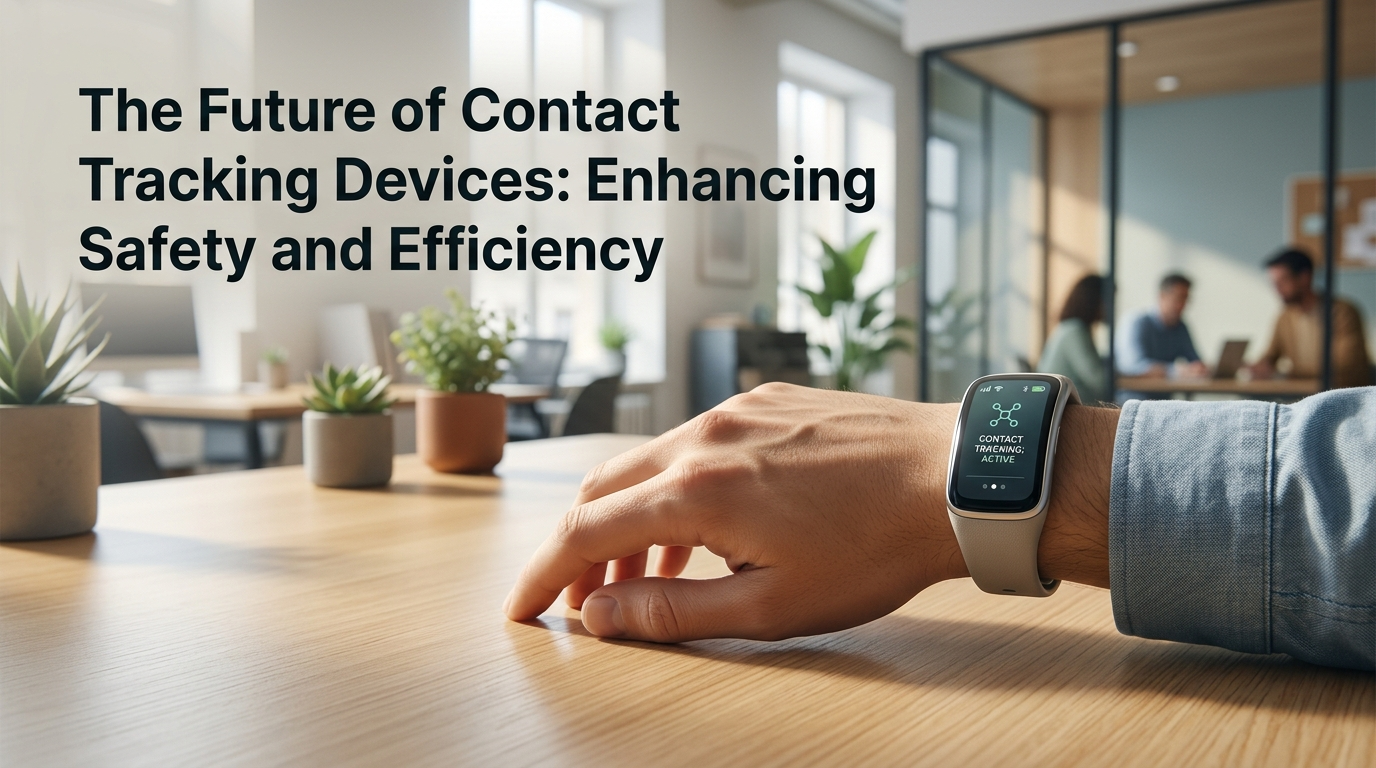
In an era where safety and efficiency are paramount, contact tracking devices have surfaced as groundbreaking solutions. Empowered by artificial intelligence (AI), these devices are transforming how businesses ensure workplace safety and operational efficiency. This article delves into the practical implementation of AI-driven contact tracking devices, highlighting their business value, potential risks, workflows, and KPIs for measuring success.
The Role of AI in Contact Tracking Devices
AI plays a pivotal role in enhancing the capabilities of contact tracking devices. Through advanced data analysis, predictive modeling, and real-time alerts, AI can provide actionable insights that were previously unattainable. By integrating machine learning algorithms, these devices can continuously improve their accuracy and efficiency, adapting to new data and evolving conditions.
Use Cases of AI in Contact Tracking
AI solutions in contact tracking are diverse, ranging from health monitoring to industrial safety. For instance, in healthcare settings, AI-enabled devices can track patient movements and interaction patterns to prevent the spread of infections. In industrial environments, these devices can monitor worker proximity to ensure compliance with safety protocols, reducing the likelihood of accidents.
Practical Implementation of Contact Tracking Devices
Implementing AI-driven contact tracking devices involves several critical steps. Organizations must identify specific use cases, establish clear objectives, and select appropriate technologies. The following are essential steps in the implementation process:
1. Needs Assessment
Begin by conducting a thorough needs assessment to determine the specific requirements and challenges the organization faces. This step involves identifying critical areas where contact tracking can add the most value, such as enhancing employee safety or optimizing resource allocation.
2. Technology Selection
Choose the right technology that aligns with organizational goals. Consider factors such as scalability, integration capabilities, and ease of use. AI-driven wearables, RFID tags, and mobile applications are popular options, each offering unique features suited for different environments.
3. Infrastructure Setup
Prepare the necessary infrastructure to support the devices. This includes setting up networks, servers, and data storage solutions to handle the influx of data generated by the devices.
4. Pilot Testing
Conduct a pilot test to evaluate the effectiveness of the devices in real-world scenarios. Use this phase to gather feedback, identify any issues, and make necessary adjustments before a full-scale rollout.
5. Full Deployment
Once the pilot test is successful, proceed with full deployment across the organization. Ensure that all employees receive adequate training on using the new devices and systems.
Business Value of Contact Tracking Devices
Contact tracking devices provide tangible business value by enhancing operational efficiency and safety. The following are key areas where these devices provide measurable benefits:
Enhanced Safety
By providing real-time data on employee interactions and movements, contact tracking devices enable organizations to identify potential safety hazards and implement preventive measures. This proactive approach reduces workplace accidents and promotes a culture of safety.
Improved Efficiency
AI-driven tracking devices streamline workflows by optimizing resource allocation and minimizing downtime. For instance, in manufacturing, these devices can track equipment usage patterns to schedule timely maintenance, thereby reducing production delays.
Data-Driven Insights
The data collected by contact tracking devices can be analyzed to identify trends, patterns, and areas for improvement. Organizations can leverage these insights to make informed decisions and drive continuous improvement initiatives.
Risks and Challenges
While the benefits are significant, the implementation of contact tracking devices also presents certain risks and challenges. Privacy concerns are a primary issue, as these devices often collect sensitive personal data. Organizations must ensure compliance with data protection regulations and establish robust privacy policies.
Data Security
Ensuring the security of the data collected by contact tracking devices is crucial. Implement encryption protocols, access controls, and regular audits to safeguard against unauthorized access and data breaches.
User Acceptance
Gaining employee buy-in is essential for successful implementation. Transparency in how the data will be used and the benefits it brings can help mitigate resistance and foster a positive reception.
Measuring Success: Key Performance Indicators (KPIs)
To evaluate the success of contact tracking implementations, organizations should establish clear KPIs. Some of the most relevant KPIs include:
Reduction in Incidents
Measure the decrease in workplace incidents and accidents following the deployment of contact tracking devices. A significant reduction indicates successful implementation and enhanced safety.
Efficiency Improvements
Analyze improvements in operational efficiency, such as reduced machine downtime and optimized resource allocation.
Employee Satisfaction
Conduct surveys and gather feedback to assess employee satisfaction and acceptance of the new technology.
Conclusion
The future of contact tracking devices is promising, with AI-driven solutions set to revolutionize workplace safety and efficiency. By carefully implementing these technologies and addressing potential challenges, organizations can harness their full potential, leading to improved safety, operational efficiency, and data-driven insights. As the technology continues to evolve, the possibilities for enhancing business processes and enhancing safety are endless.
Integrating Contact Tracking Devices with Existing Systems
To maximize the benefits of AI-driven contact tracking devices, it's crucial to ensure seamless integration with existing company systems. This integration facilitates smoother operations and enhances data utility.
System Compatibility
Identifying compatibility with current systems is the first step. Whether it's HR management software or existing safety protocols, the new contact tracking devices should complement, rather than disrupt, existing workflows.
Data Integration
Ensure that data from contact tracking devices can be easily integrated into data analytics platforms. This integration enables more comprehensive data analysis and supports better decision-making across departments.
User Training and Education
Successful implementation of contact tracking devices relies heavily on user training and education. Employees must understand how to use the devices effectively and be informed about the benefits they offer.
Comprehensive Training Programs
Develop comprehensive training programs to cover device operation, data privacy policies, and troubleshooting procedures. Continuous education and support will help maintain high levels of user engagement and acceptance.
Feedback Mechanisms
Establish feedback mechanisms where employees can voice concerns or suggest improvements. This dialogue reinforces trust and helps in refining the use of contact tracking technologies.
Scalability and Future-Proofing
As organizations grow and evolve, so too should their contact tracking systems. A scalable solution ensures long-term relevance and effectiveness.
Modular Design
A modular design approach allows for easy updates and expansions, ensuring that the system can adapt to future technological advancements or changes in organizational needs.
Partnerships with Technology Providers
Forge strong partnerships with technology providers to ensure continuous support and access to the latest innovations in AI and contact tracking.
Case Studies: Real-World Applications
Examining case studies of contact tracking device implementations provides valuable insights into best practices and potential pitfalls.
- Healthcare Industry: A major hospital network implemented contact tracking devices to monitor staff-patient interactions. This initiative led to a 30% reduction in hospital-acquired infections.
- Manufacturing Sector: A leading automotive manufacturer used AI-based contact tracking to streamline assembly line operations, achieving a 15% increase in production efficiency.
- Retail Environment: A large retail chain deployed these devices to optimize customer flow and staff allocation, resulting in a 20% improvement in customer satisfaction scores.
Regulatory Compliance and Ethical Considerations
Adhering to regulatory standards and addressing ethical concerns is crucial in the deployment of contact tracking devices.
Compliance with Data Protection Laws
Organizations must ensure compliance with data protection laws, such as GDPR or CCPA, to protect user privacy and avoid legal repercussions.
Ethical Data Usage
Establish ethical guidelines for the use of data collected through contact tracking devices. This includes limiting data access to authorized personnel and ensuring data is used solely for its intended purposes.
The Future of AI in Contact Tracking
Looking ahead, advancements in AI will continue to enhance the capabilities of contact tracking devices, making them even more integral to business operations.
AI-Driven Predictive Analytics
Future developments will likely focus on predictive analytics, allowing businesses to anticipate safety risks and operational inefficiencies before they occur.
Augmented Reality Integration
Integrating augmented reality with contact tracking could offer new ways for workers to receive real-time safety alerts and instructions, further improving workplace safety.
Ultimately, the evolution of AI in contact tracking will offer unprecedented opportunities for businesses willing to embrace these transformative technologies.