
Introduction to Digital Healthcare
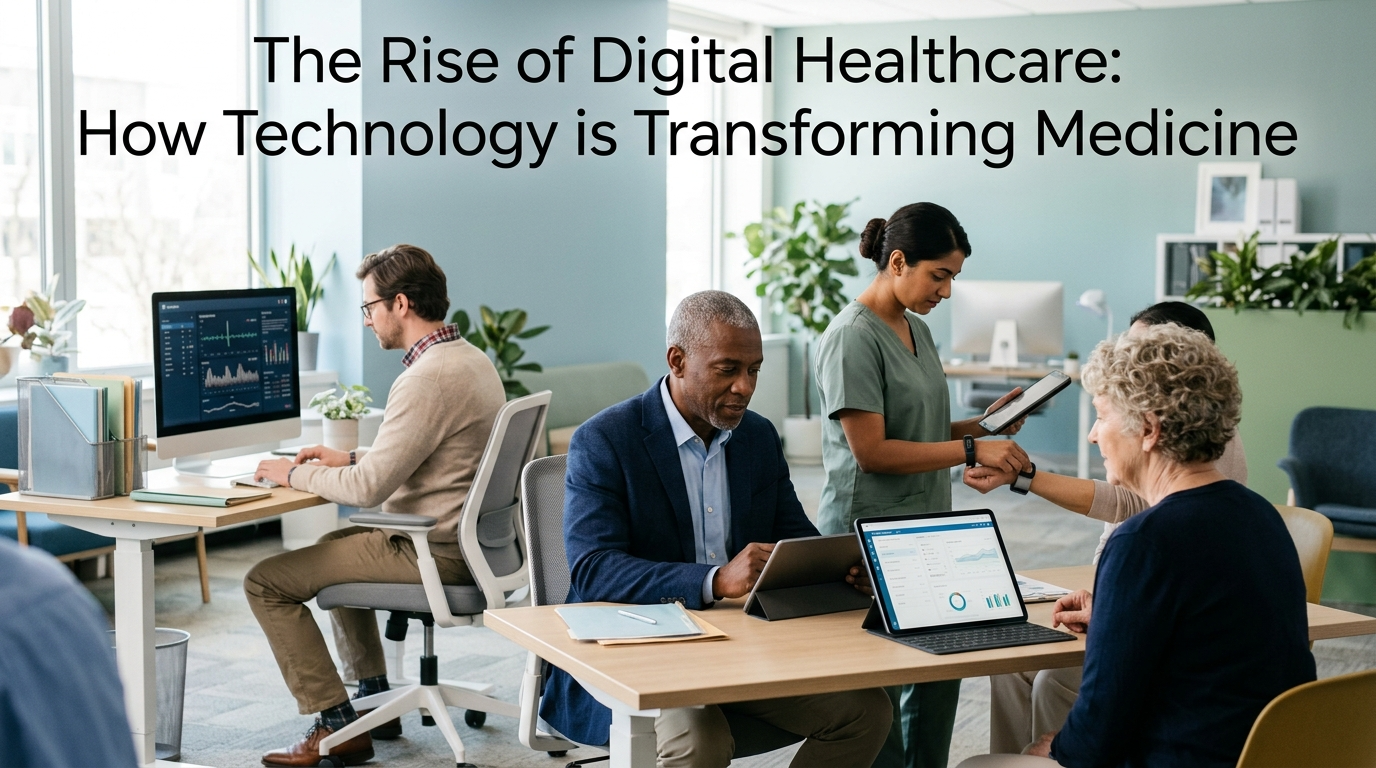
The healthcare industry is undergoing a remarkable transformation, driven by the integration of digital technologies. From artificial intelligence (AI) to telemedicine, digital healthcare is reshaping how medical services are delivered, accessed, and managed. This transformation is not just about adopting new technologies but about enhancing patient care, improving operational efficiencies, and creating new business models that redefine the healthcare landscape.
AI in Digital Healthcare: Use Cases and Implementation
AI-Driven Diagnostics
One of the most significant applications of AI in digital healthcare is in the field of diagnostics. AI algorithms can analyze medical images such as X-rays, MRIs, and CT scans with higher accuracy and speed than human radiologists. For instance, AI tools developed by companies like Zebra Medical Vision and Aidoc have already begun to assist in diagnosing conditions ranging from fractures to complex neural pathologies.
Predictive Analytics and Personalized Medicine
AI also plays a crucial role in predictive analytics, where it analyzes patient data to predict outcomes, helping healthcare providers deliver personalized medicine. AI models can predict patient deterioration in real-time, allowing for timely interventions. This is particularly useful in managing chronic diseases where early intervention is critical.
Implementation Steps for AI Solutions in Healthcare
Step 1: Identify Use Cases
The first step in implementing AI solutions is identifying specific use cases where AI can provide significant benefits. This involves analyzing current workflows and pinpointing areas where AI can improve efficiency and outcomes.
Step 2: Data Collection and Preprocessing
AI systems require vast amounts of data to function effectively. Healthcare providers must ensure they collect high-quality, relevant data and preprocess it to remove inaccuracies and biases.
Step 3: Model Training and Validation
Once the data is prepared, the next step is to train AI models using machine learning techniques. These models must be validated using real-world scenarios to ensure they provide accurate and actionable insights.
Step 4: Integration with Existing Systems
For AI solutions to be effective, they must seamlessly integrate with existing healthcare systems and workflows. This may involve working with IT departments and software vendors to ensure compatibility and smooth operation.
Business Value and Measurable Outcomes
Enhanced Patient Experience
Digital healthcare technologies, particularly AI, significantly enhance patient experience by reducing wait times, improving diagnostic accuracy, and personalizing treatment plans. This leads to higher patient satisfaction and better health outcomes.
Operational Efficiency
By automating routine tasks, AI helps healthcare providers reduce operational costs and allocate more resources towards patient care. For example, AI-powered chatbots can handle patient inquiries, freeing up staff to focus on more critical tasks.
Data-Driven Decision Making
AI enables data-driven decision-making by providing healthcare professionals with comprehensive insights and analytics. This leads to more informed decisions, reducing the likelihood of errors and improving overall care quality.
Risks and Challenges
Data Security and Privacy
One of the primary challenges in digital healthcare is ensuring data security and privacy. With the increasing amount of patient data being collected and shared, there is a greater risk of data breaches and unauthorized access.
Bias in AI Algorithms
AI algorithms are only as good as the data they are trained on. If the data is biased, the AI's predictions and recommendations can also be biased, leading to unequal treatment and poor outcomes for certain patient groups.
Regulatory Compliance
Healthcare providers must navigate a complex regulatory landscape when implementing digital solutions. Ensuring compliance with regulations such as HIPAA in the USA or GDPR in Europe is crucial to avoid legal repercussions.
Key Performance Indicators (KPIs) for Digital Healthcare
Patient Outcome Metrics
KPIs such as patient recovery rates, readmission rates, and treatment success rates are vital in assessing the effectiveness of digital healthcare solutions.
Operational Metrics
Metrics like average patient wait times, resource utilization rates, and cost savings provide insights into the operational efficiencies gained from digital healthcare.
Patient Satisfaction Scores
Patient satisfaction is a critical indicator of healthcare quality. Surveys and feedback mechanisms help track patient satisfaction over time.
Conclusion
The rise of digital healthcare, powered by AI and other technologies, is transforming the medical landscape. By enhancing diagnostic accuracy, personalizing treatment, and improving operational efficiencies, digital healthcare offers substantial business value. However, healthcare providers must address challenges related to data privacy, algorithmic bias, and regulatory compliance. By focusing on well-defined KPIs, they can measure the success of their digital transformation efforts and ensure they are delivering superior patient care.
Integration with Telemedicine
Telemedicine has become a cornerstone of digital healthcare, offering remote consultation and diagnosis services. This integration is convenient for patients and allows healthcare providers to extend their reach, especially in rural or underserved areas.
Telehealth Platforms
Platforms like Teladoc and Amwell have made significant strides in telemedicine by providing comprehensive virtual care services. These platforms allow patients to consult with their healthcare providers from the comfort of their homes, reducing the need for physical visits.
Benefits of Telemedicine
- Accessibility: Telemedicine provides access to healthcare services for individuals in remote areas or those with mobility challenges.
- Cost-effective: By reducing the need for physical infrastructure, telemedicine lowers the cost of providing healthcare services.
- Convenience: Patients can schedule appointments at their convenience, avoiding long wait times and travel expenses.
Advanced Workflows in Digital Healthcare
Implementing digital healthcare solutions requires rethinking traditional workflows to accommodate new technologies and improve efficiency.
Interoperability and Data Sharing
Ensuring seamless data exchange between different healthcare systems is crucial for effective digital healthcare. Interoperability standards like HL7 and FHIR facilitate this data sharing, enabling healthcare providers to access comprehensive patient records in real-time.
Workflow Automation
Digital tools can automate routine tasks such as appointment scheduling, billing, and patient follow-ups, freeing healthcare professionals to focus on patient care. Workflow automation also reduces the risk of human error and enhances operational efficiency.
Monitoring and Evaluation of Digital Healthcare Solutions
To ensure the continued success of digital healthcare initiatives, healthcare providers must establish robust monitoring and evaluation mechanisms.
Continuous Feedback Loops
Regular feedback from patients and healthcare staff helps identify areas for improvement and ensures that digital solutions meet stakeholders' needs. This feedback can be gathered through surveys, focus groups, and user testing sessions.
Data Analytics for Performance Tracking
Advanced analytics tools can track the performance of digital healthcare solutions by analyzing various KPIs. These insights help healthcare providers make data-driven decisions and continuously optimize their digital strategies.
Real-World Examples of Digital Healthcare Innovation
Several healthcare organizations have successfully implemented digital healthcare solutions, demonstrating their transformative potential.
Mayo Clinic's AI-Driven Diagnostics
The Mayo Clinic has been at the forefront of using AI to enhance diagnostic accuracy. By integrating AI tools into their radiology department, they have reduced error rates and improved patient outcomes significantly.
Kaiser Permanente's Virtual Care Model
Kaiser Permanente has embraced telemedicine to provide virtual care services to its members. This model has improved accessibility and convenience for patients, resulting in higher satisfaction rates and better overall health outcomes.
Mount Sinai's Predictive Analytics
Mount Sinai Health System in New York has implemented predictive analytics to manage patient care proactively. By analyzing patient data, Mount Sinai can identify those at risk of complications, allowing for early interventions and better resource allocation.
The Future of Digital Healthcare
As technology continues to evolve, the future of digital healthcare holds exciting possibilities, from the development of smart medical devices to the rise of personalized medicine.
Smart Devices and Wearables
Smart devices and wearables are becoming integral to digital healthcare, enabling continuous health monitoring and real-time data collection. These devices empower patients to manage their health actively and facilitate timely interventions by healthcare providers.
Personalized Medicine
Advancements in genomics and AI are paving the way for personalized medicine, where treatments are tailored to individual patients based on their genetic makeup, lifestyle, and health history. This approach promises to improve treatment efficacy and patient outcomes.
The digital transformation of healthcare is a dynamic and ongoing process. By embracing new technologies and addressing associated challenges, healthcare providers can unlock the full potential of digital healthcare, ultimately leading to better patient care and improved health outcomes worldwide.