
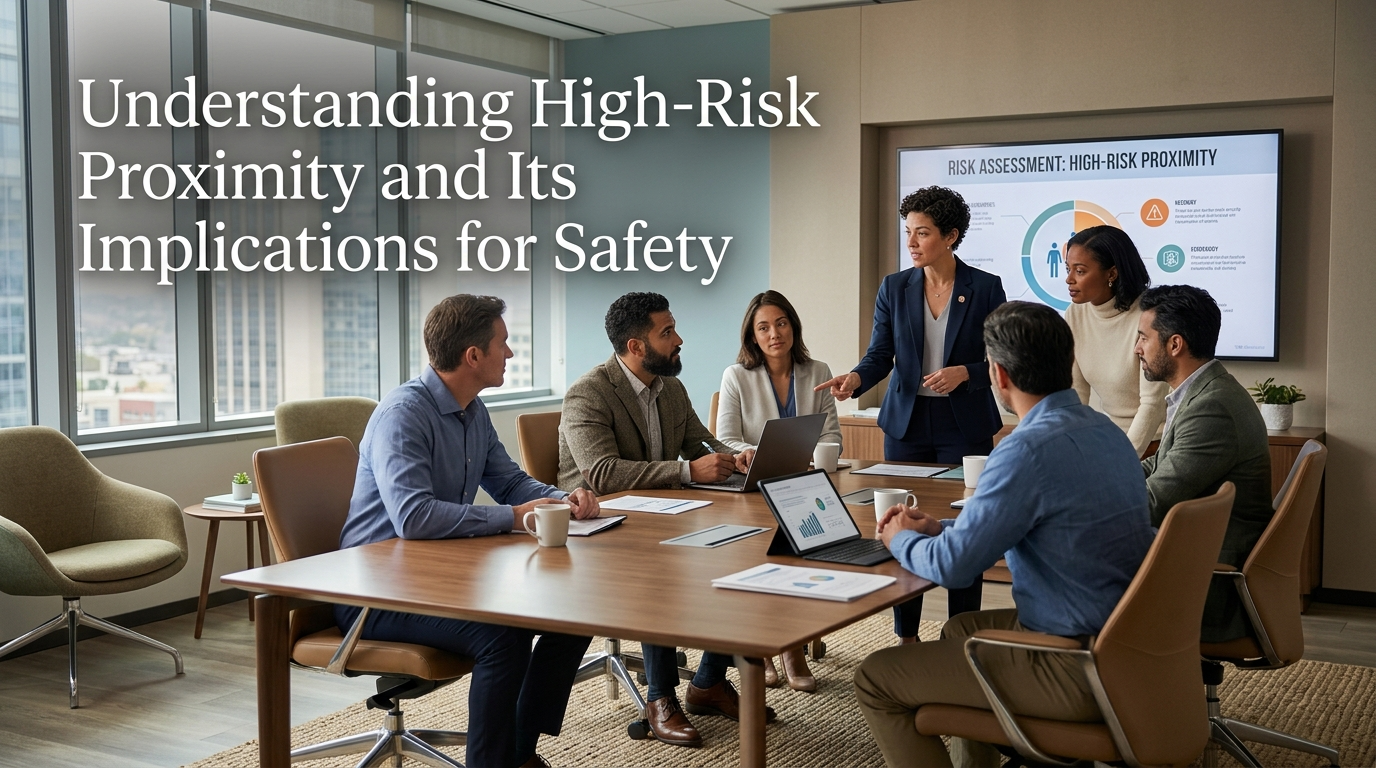
Introduction to High-Risk Proximity
In the modern era, the concept of high-risk proximity has become increasingly important across various industries. High-risk proximity refers to situations where individuals or assets are in close contact with potential hazards, leading to increased chances of accidents or incidents. The implementation of AI solutions in managing these scenarios is pivotal for ensuring safety and optimizing operational efficiency.
AI Solutions for High-Risk Proximity
Understanding AI-driven Solutions
AI solutions for high-risk proximity utilize advanced algorithms and sensors to detect, monitor, and manage potential risks. These systems are designed to provide real-time insights and alerts to prevent accidents, thereby enhancing workplace safety. By leveraging machine learning and data analytics, these solutions can predict potential hazards and recommend proactive measures.
Practical Implementation Steps
- Needs Assessment: Identify the specific high-risk areas within your operations where AI solutions can be most impactful.
- Technology Selection: Choose appropriate AI technologies that align with your safety requirements, such as IoT sensors, machine learning models, and data analytics platforms.
- Integration: Integrate AI solutions with existing safety management systems to ensure seamless operation and data flow.
- Training: Provide comprehensive training to staff on how to use the AI systems effectively.
- Monitoring and Evaluation: Continuously monitor the AI systems' performance and evaluate their effectiveness in reducing risks.
Business Value of High-Risk Proximity AI Solutions
Enhanced Safety
The primary business value of implementing AI solutions in high-risk proximity scenarios is the enhancement of safety. By reducing the likelihood of accidents, companies can protect their employees, assets, and reputation, leading to a safer working environment.
Operational Efficiency
AI solutions help in optimizing operations by automating risk detection and management processes. This leads to reduced downtime and increased productivity, as employees can focus on core tasks without constantly worrying about safety hazards.
Cost Reduction
By preventing accidents and minimizing risks, companies can significantly reduce costs associated with workplace incidents, including medical expenses, legal fees, and compensation claims.
Competitive Advantage
Companies that prioritize safety and invest in advanced AI solutions can gain a competitive edge in the market. This can enhance brand reputation and attract top talent who value workplace safety.
Risks and Challenges
Implementation Challenges
Implementing AI solutions for high-risk proximity comes with its own set of challenges, such as the high initial investment cost, integration complexities, and the need for ongoing maintenance and updates.
Data Privacy Concerns
With the use of AI and IoT, there is an increased risk of data breaches and privacy concerns. Companies need to ensure robust data protection measures are in place.
Workflows of AI Solutions
AI solutions for high-risk proximity typically follow a workflow that includes data collection, risk analysis, alert generation, and response. Sensors collect data from the environment, which is then analyzed using machine learning algorithms to identify potential risks. Alerts are generated in real time and sent to relevant personnel for immediate response. This workflow ensures a proactive approach to risk management.
Key Performance Indicators (KPIs)
- Reduction in Incident Rates: Measure the decrease in workplace accidents and incidents post-implementation.
- Response Time: Track the time taken from risk detection to response.
- Cost Savings: Calculate the reduction in costs associated with accidents and compliance violations.
- Employee Satisfaction: Assess improvement in employee satisfaction and safety perception through surveys.
Case Study: Implementation in the Construction Industry
In the construction industry, high-risk proximity is a common challenge due to dynamic work environments and the presence of heavy machinery. A notable example of AI implementation is the use of wearable technology equipped with sensors that alert workers when they are in close proximity to dangerous equipment or areas. This technology has led to a 30% reduction in workplace accidents and has improved overall site safety.
Conclusion
Understanding and managing high-risk proximity through AI solutions is crucial for enhancing safety and operational efficiency. While there are challenges in implementation, the benefits in terms of safety, cost savings, and competitive advantage are substantial. By adopting these advanced technologies, companies can ensure a safer, more productive workplace and set themselves apart in the industry.
Future Trends in High-Risk Proximity AI Solutions
Integration with Augmented Reality (AR)
One of the emerging trends is the integration of AI with augmented reality (AR) to enhance safety measures. By overlaying digital information on the physical world, AR can provide workers with real-time data about potential hazards, helping them navigate dangerous environments more safely.
AI and Robotics Collaboration
AI-driven robots are being deployed in high-risk environments to perform tasks that are too dangerous for humans. These robots can work alongside human teams, ensuring tasks are completed efficiently while minimizing human exposure to risks.
Predictive Maintenance
AI solutions are increasingly being used for predictive maintenance in high-risk industries. By analyzing equipment data, AI can predict when machinery is likely to fail, allowing for maintenance to be scheduled proactively, thus preventing potential safety incidents.
Examples of High-Risk Proximity AI Applications
Manufacturing Industry
In manufacturing, AI systems are used to monitor machinery and worker interactions, ensuring that safety protocols are followed and reducing the risk of accidents caused by human error or equipment malfunction.
Transportation Sector
AI solutions in the transportation sector help monitor driver behavior and vehicle performance, alerting operators to potential hazards and recommending corrective actions to prevent accidents.
Energy Sector
In the energy industry, AI is employed to monitor operations in high-risk areas such as oil rigs and nuclear plants. By predicting potential failures and detecting anomalies, these systems help prevent catastrophic incidents.
Developing a Risk Management Culture
Implementing AI solutions is only part of the equation. To fully realize the benefits, companies must foster a culture of risk management. This involves training employees to recognize and respond to risks, encouraging proactive safety practices, and continuously reviewing and improving safety protocols.
Role of Leadership
Leadership plays a crucial role in developing a risk management culture. By demonstrating a commitment to safety and investing in the necessary technologies and training, leaders can set the tone for the rest of the organization and ensure that safety remains a top priority.
Measuring Success and Continuous Improvement
Feedback Loops
Establishing feedback loops is essential for measuring the success of AI solutions in high-risk proximity management. Regularly collecting feedback from employees and analyzing system performance data can provide insights into areas for improvement and drive continuous enhancements in safety protocols.
Adapting to Changing Environments
As industries evolve, so too must their approaches to safety. AI solutions need to be adaptable, capable of learning from new data, and able to respond to evolving risks. This flexibility ensures that safety measures remain effective in dynamic work environments.
Conclusion: The Road Ahead
As AI technology continues to advance, its role in managing high-risk proximities will only grow. Organizations that embrace these innovations will not only enhance their safety measures but also position themselves as leaders in their respective industries. The integration of AI solutions into safety workflows represents a significant step forward in protecting workers and assets while driving operational excellence.
Collaborative Approaches to High-Risk Proximity
Engaging Stakeholders
Effective implementation of AI solutions for high-risk proximity requires collaboration among various stakeholders, including management, employees, and external partners. By involving all relevant parties in the planning and deployment phases, organizations can ensure that the AI systems are tailored to meet specific needs and challenges.
Cross-Industry Collaborations
Industries facing similar high-risk proximity challenges can benefit from cross-industry collaborations. By sharing insights and best practices, organizations can accelerate the development and adoption of AI solutions, benefiting from collective experiences and innovations.
Regulatory Considerations and Compliance
Adhering to Standards
Compliance with industry regulations and safety standards is critical when implementing AI solutions for high-risk proximity. Organizations must ensure that their AI systems not only enhance safety but also adhere to existing legal frameworks and guidelines. This may involve working closely with regulatory bodies to gain approvals and certifications.
Continuous Compliance Monitoring
AI systems can also aid in continuous monitoring of compliance with safety standards. By tracking adherence to protocols and alerting to potential violations, AI solutions can help organizations maintain compliance effortlessly, reducing the risk of fines and legal issues.
Empowering Employees with Knowledge
Training Programs
Comprehensive training programs are essential for empowering employees to effectively use AI solutions. These programs should focus not only on the technical aspects of the AI systems but also on fostering a deeper understanding of safety protocols and risk management strategies.
Building Competency and Confidence
Training initiatives should aim to build both competency and confidence among employees. By equipping them with the necessary skills and knowledge, organizations can ensure that employees are prepared to respond swiftly and effectively to potential high-risk scenarios.
The Future of AI in Safety Management
Innovative Research and Development
Ongoing research and development in AI technologies promise to future-proof safety management systems. Innovations such as advanced neural networks and real-time data processing capabilities are expected to further enhance the effectiveness of high-risk proximity solutions.
A Vision for Safer Workplaces
The ultimate goal of integrating AI solutions in high-risk proximity management is to create safer workplace environments. By continuously evolving these technologies, organizations can protect their most valuable assets—their people—while driving operational success and sustainability.