
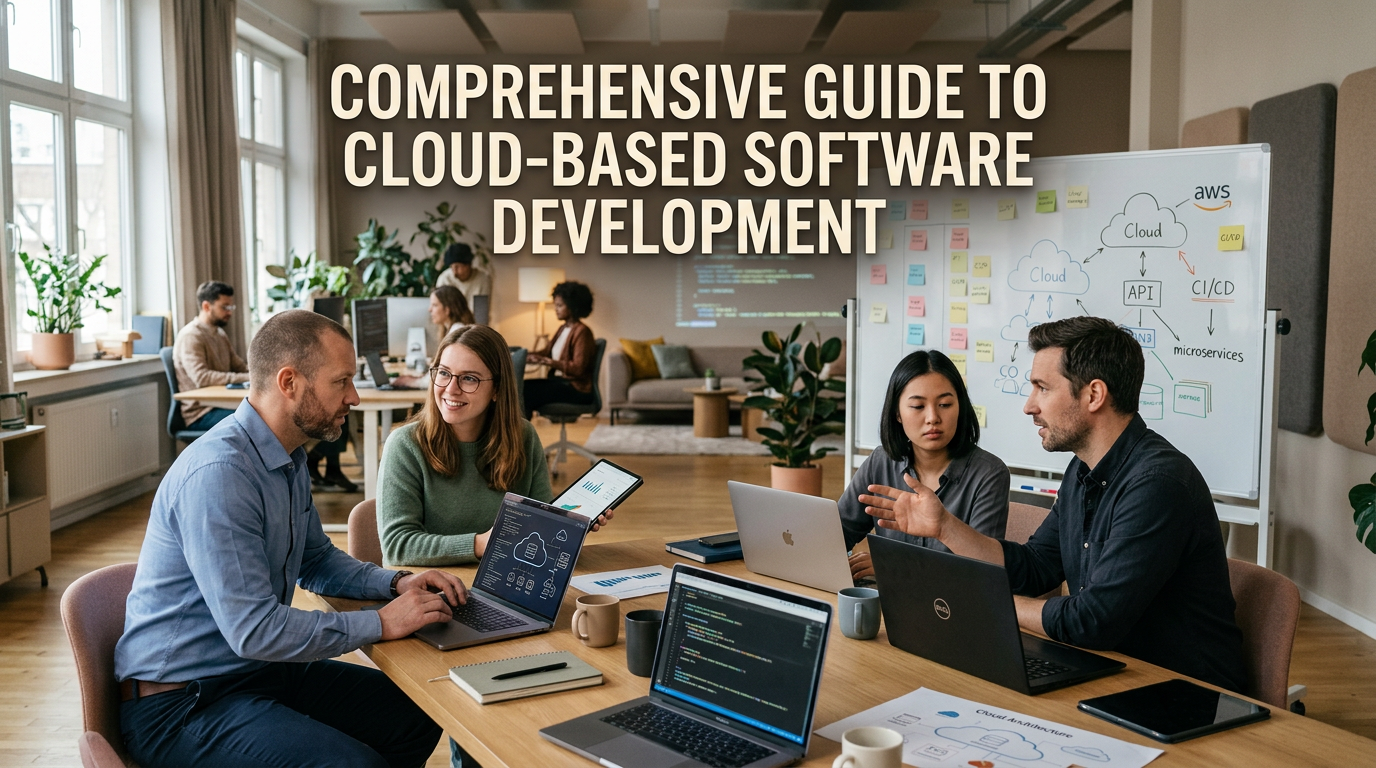
Introduction to Cloud-Based Software Development
In recent years, cloud computing has revolutionized various industries, offering scalable and flexible resources that can be tailored to meet individual business needs. Cloud-based software development is a process of building, testing, and deploying applications in the cloud, enabling teams to work collaboratively from different locations while accessing vast computational power and storage. This approach not only enhances productivity but also allows businesses to focus on innovation and growth without being bogged down by infrastructural concerns.
Benefits of Cloud-Based Development
Cost Efficiency
One of the major benefits of cloud-based development is cost efficiency. By utilizing cloud services, businesses can eliminate the need for expensive hardware and only pay for the resources they use. This pay-as-you-go model significantly reduces capital expenditure and operational costs. Additionally, the cloud providers often include maintenance and updates in their service packages, further reducing the need for in-house IT maintenance teams.
Scalability and Flexibility
Cloud-based platforms offer unparalleled scalability, allowing businesses to easily adjust resources based on demand. This flexibility ensures that businesses can handle varying workloads without compromising performance or incurring additional costs. For instance, an e-commerce website can scale up its resources during peak shopping seasons and scale down when traffic is low, optimizing resource use efficiently.
Enhanced Collaboration and Accessibility
Cloud-based development fosters enhanced collaboration among team members. Developers, testers, and stakeholders can access the same environment from anywhere in the world, which is particularly advantageous for remote and distributed teams. Real-time communication tools and integrated project management systems available in the cloud facilitate seamless interactions, ensuring that everyone is on the same page.
This accessibility also extends to clients, who can track project progress and provide feedback from virtually anywhere, leading to a more transparent and client-centered development process.
Key Methodologies in Cloud-Based Development
Agile Development
Agile methodologies complement cloud-based development by fostering iterative progress through collaboration. Agile's flexibility aligns well with cloud environments, enabling rapid adjustments and continuous integration. Teams can release smaller, incremental updates, reducing risk and allowing for faster feedback cycles.
DevOps
DevOps practices are crucial in cloud development, focusing on improved collaboration between development and operations teams. This leads to faster deployment times and more reliable releases. By automating workflows and integrating continuous delivery practices, teams can ensure that updates roll out smoothly, minimizing downtime and enhancing user satisfaction.
Security in Cloud-Based Development
Security is a critical concern in cloud-based development. While cloud providers offer robust security features, it is essential for businesses to implement additional measures to safeguard their applications. This includes encrypting data, setting up firewalls, and regularly conducting security audits.
- Data Encryption: Encrypting both data at rest and in transit to protect sensitive information from unauthorized access.
- Access Management: Implementing strong authentication protocols and role-based access controls to ensure only authorized personnel can access certain resources.
- Regular Audits: Conducting frequent security audits and penetration testing to identify and mitigate vulnerabilities proactively.
Cloud Development Process Steps
1. Requirement Analysis
The first step is understanding the project's requirements, including the necessary features, compliance needs, and target audience. This phase involves stakeholders to ensure all requirements align with business goals. Clear documentation and user stories are created to guide the development process.
2. Choosing the Right Cloud Provider
Selecting a suitable cloud service provider is critical. Options like AWS, Microsoft Azure, or Google Cloud offer distinct features and pricing models. It's essential to choose a provider that aligns with your specific needs. Factors to consider include data center locations, compliance standards, support services, and integration capabilities with existing systems.
3. Application Architecture Design
Designing a robust cloud architecture is crucial for ensuring application performance and reliability. This includes deciding on the use of microservices, containerization, and serverless functions. Utilizing tools such as Docker and Kubernetes can enhance deployment efficiency and scalability.
4. Development and Testing
Once the architecture is in place, development begins. Cloud environments allow for continuous testing and integration, ensuring that any issues are identified and addressed promptly. Automated testing frameworks can be used to validate functionality and performance under various conditions.
5. Deployment
Deploying applications in the cloud simplifies the process, allowing for quick updates and scaling without downtime. Cloud platforms provide various deployment tools to streamline this phase. Continuous integration/continuous deployment (CI/CD) pipelines ensure that changes are tested and deployed efficiently.
Use Cases of Cloud-Based Development
Startups and SMBs
Cloud-based development is particularly beneficial for startups and small to medium-sized businesses (SMBs) that require affordable, scalable solutions with minimal upfront investment. The cloud enables them to compete with larger enterprises by providing access to enterprise-grade technologies and infrastructure.
Enterprise Applications
Large enterprises utilize cloud solutions for developing complex applications that require high availability and robust security measures. The cloud's ability to support hybrid and multi-cloud environments allows enterprises to seamlessly integrate new applications with their existing systems.
Measurement Criteria for Cloud-Based Development Success
Performance Metrics
Key performance indicators (KPIs) such as response times, uptime, and resource utilization are crucial for measuring the success of cloud-based applications. Monitoring tools like New Relic or Datadog can provide real-time insights into application performance, helping identify areas for improvement.
Cost Efficiency
Analyzing cost savings and return on investment (ROI) helps determine whether cloud-based development meets financial objectives. Businesses need to track cloud expenditure against projected budgets to ensure they are maximizing cost efficiency.
4A Labs Services and Solutions
At 4A Labs, we leverage our expertise in AI, digital marketing, and software development to provide comprehensive cloud-based solutions. Our team of experts collaborates with clients to understand their unique needs, ensuring a tailored approach to each project.
We offer end-to-end cloud development services, from initial consultation to deployment and maintenance, providing businesses with reliable, efficient, and cost-effective solutions. Our holistic approach ensures that clients not only achieve their technical goals but also derive strategic value from their cloud investments.
Conclusion
Cloud-based software development offers significant advantages in terms of cost, scalability, and flexibility. By adopting cloud technologies and methodologies like Agile and DevOps, businesses can accelerate their digital transformation and remain competitive in an ever-evolving market. Partnering with a skilled agency like 4A Labs can further enhance these benefits, providing access to cutting-edge technologies and expert guidance. As businesses continue to embrace the cloud, those that leverage its full potential are likely to experience enhanced innovation, efficiency, and growth.
Challenges in Cloud-Based Development
While cloud-based development offers numerous advantages, it also poses several challenges that businesses must address to fully leverage its potential. Understanding these challenges and implementing effective strategies can ensure a smoother transition to the cloud.
Data Security and Privacy
Ensuring data security and privacy remains a top concern when adopting cloud solutions. Businesses must navigate complex regulatory requirements and ensure their data is secure from breaches and unauthorized access. Establishing stringent security protocols and choosing providers with robust security measures is critical to mitigating these risks.
Integration Complexity
Integrating cloud-based applications with existing on-premises systems can be complex. Compatibility issues, data migration challenges, and differing architectures can complicate the integration process. Proper planning and the use of middleware solutions can help streamline integration efforts.
Future Trends in Cloud-Based Development
The landscape of cloud-based development is constantly evolving, with emerging trends shaping how businesses build and deploy applications.
Edge Computing
Edge computing represents a shift from centralized data centers to localized processing, bringing computation closer to the data source. This trend is expected to reduce latency and improve real-time data processing, enhancing the performance of cloud-based applications.
Serverless Architectures
Serverless computing is becoming increasingly popular, allowing developers to build applications without managing infrastructure. This model provides automatic scaling, high availability, and pay-per-use pricing, enabling efficient resource utilization and cost savings.
Best Practices for Cloud-Based Development
- Adopt a Cloud-Native Approach: Design applications specifically for the cloud, utilizing microservices, containerization, and automation to optimize performance and scalability.
- Regular Monitoring and Optimization: Continuously monitor cloud resource usage and application performance. Implement optimization practices to ensure efficient use of resources and cost-effectiveness.
- Continuous Learning: Stay updated with the latest cloud technologies and trends. Encourage a culture of continuous learning and innovation within your development teams to adapt to the rapidly changing cloud landscape.
By addressing challenges, embracing future trends, and implementing best practices, businesses can fully realize the benefits of cloud-based development, ensuring long-term success and competitiveness in the digital age.