
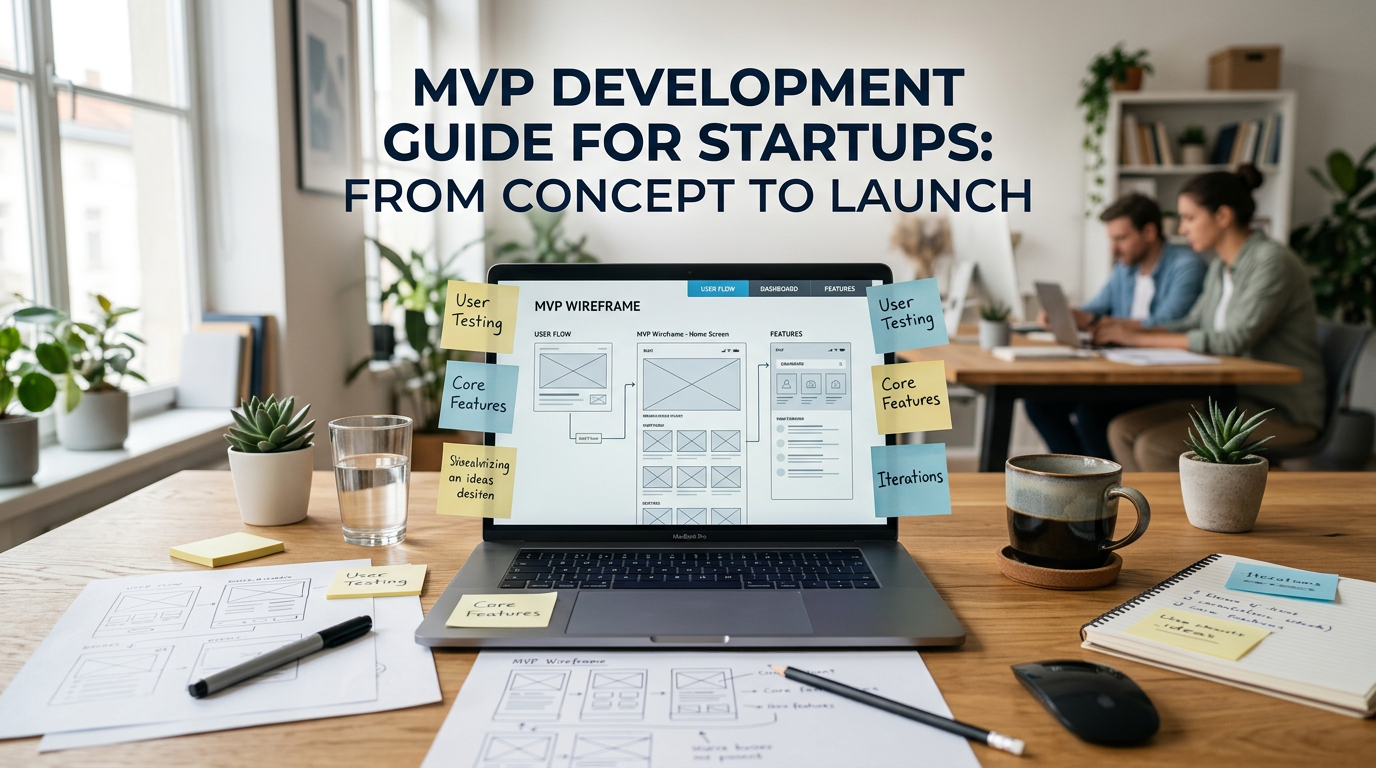
Introduction to MVP Development for Startups
For startups, developing a Minimum Viable Product (MVP) is a strategic approach that focuses on delivering a product with just enough features to satisfy early adopters and gather critical feedback for further development. This approach not only reduces the risk of product failure but also allows startups to test their ideas in the market with minimal investment. By prioritizing core functionalities, startups can ensure they provide value to users while also gaining insights into potential improvements.
Understanding the MVP Concept
The concept of an MVP is rooted in the Lean Startup methodology, which promotes iterative product releases and customer feedback. An MVP helps validate assumptions about a product's market demand, usability, and functionality before committing significant resources. The primary goal is to learn about the market with the least amount of effort and to use this knowledge to drive further development.
The Importance of an MVP
Launching a product without prior testing can result in significant losses. An MVP allows startups to validate hypotheses about their product by observing real user interactions and preferences. This feedback-driven development process is instrumental in shaping a product that truly meets market needs. The importance of an MVP extends to building a relationship with potential customers who can become advocates for the product as it evolves.
Steps to Develop an MVP
1. Define Your Vision
Begin with a clear understanding of the problem your startup aims to solve. Identify your target audience and define the core value proposition that sets your product apart. This vision will serve as a guiding principle throughout the development process, ensuring that all efforts are aligned with the end goal.
2. Conduct Market Research
Gather insights about your potential customers, competitors, and market dynamics. This research will inform your MVP's feature set and ensure it resonates with your target audience. Consider conducting surveys, focus groups, and analyzing industry reports to build a comprehensive understanding.
3. Identify Core Features
Determine the essential features that are necessary to deliver your product's value proposition. Avoid feature bloat by focusing on functionalities that are critical to solving the identified problem. Create a prioritized list of features, distinguishing between 'must-haves' and 'nice-to-haves'.
4. Create a Prototype
Develop a simple prototype to visualize the user journey and interface. This step helps in identifying any design flaws and improving the user experience before development begins. Tools like wireframes or clickable mockups can simulate the product, enabling teams to gather preliminary feedback.
5. Build the MVP
With feedback from the prototype, proceed to develop the MVP. Utilize agile methodologies to ensure a flexible and responsive development process that can adapt to changes based on user feedback. Agile frameworks such as Scrum or Kanban provide structure while allowing for iterative progress and continuous improvement.
6. Launch and Test
Once the MVP is built, it's crucial to launch it to a select audience to test its functionality and appeal. This alpha or beta testing phase will reveal how users interact with the product, what they value, and where improvements can be made.
Examples of Successful MVPs
1. Dropbox
Dropbox initially launched with a simple video demonstrating its functionality. This MVP approach helped gauge interest and gather a robust waiting list before the product was fully developed. The video effectively communicated the product's unique selling proposition and generated buzz, providing valuable market validation.
2. Airbnb
Airbnb started as a simple website that allowed the founders to rent out air mattresses in their apartment. This MVP validated the demand for home-sharing accommodations and helped secure initial investment. By solving a specific pain point for travelers, Airbnb was able to iterate and expand its offerings based on real-world demand.
Use Cases for MVPs
MVPs can be effectively used across various industries, including:
- Tech Startups: Validate software solutions with minimal investment. MVPs in tech often involve developing a basic version of an app or software to test functionality and user engagement.
- E-commerce: Test product-market fit for new retail concepts. Launching a basic online store with a limited product range can help assess demand and optimize the shopping experience.
- Healthcare: Pilot health tech innovations in a controlled environment. MVPs in healthcare can include trials of wearable devices or telehealth services to gather data and refine products.
- Education: Implement new learning technologies or platforms. Educational MVPs might focus on a single course or feature to evaluate effectiveness and gather teacher/student feedback.
Measuring MVP Success
1. Key Performance Indicators (KPIs)
Track metrics such as user engagement, retention rates, and conversion rates to evaluate the MVP's performance. Establish clear benchmarks and goals to measure whether the MVP is meeting its objectives.
2. Customer Feedback
Analyze user feedback to identify areas for improvement and validate that your product meets customer needs. Techniques such as surveys, interviews, and usability testing can provide qualitative insights that complement quantitative data.
3. Iterative Development
Use insights gained from MVP testing to refine and enhance your product in preparation for full-scale development. Continuous iterations allow for rapid adaptation to user needs and market conditions, reducing the risk of costly rework later on.
Common Challenges in MVP Development
While developing an MVP offers numerous advantages, startups may face challenges such as:
- Resource Constraints: Limited budget and manpower can hinder the MVP development process.
- Feature Creep: The temptation to add more features than necessary can dilute the MVP’s effectiveness.
- Market Misalignment: Misjudging market needs can result in an MVP that fails to resonate with users.
- Feedback Overload: Distinguishing between useful feedback and noise can be difficult, requiring careful analysis to make informed decisions.
Conclusion
Developing an MVP is a crucial step for startups looking to validate their product ideas and gain a competitive edge. By focusing on delivering essential features, gathering actionable insights, and iteratively improving their offerings, startups can successfully navigate the complexities of product development and market entry. As a full-service digital agency, 4A Labs is equipped to guide startups through the MVP development process, from ideation to launch, ensuring that your product is primed for success in the digital marketplace. By adhering to best practices and remaining adaptable, startups can leverage MVPs to build products that not only fit the market but also delight users and drive business success.
Leveraging User Feedback for MVP Refinement
User feedback is an invaluable resource in the MVP development process. By actively seeking and analyzing feedback from early adopters, startups can uncover insights that drive product improvements. This iterative process enables a startup to align its offerings more closely with user expectations and market demands.
Methods of Gathering Feedback
- Surveys and Questionnaires: Use well-structured surveys to gather specific feedback on user experience and product functionality. Open-ended questions can provide deeper insights into user needs and preferences.
- User Interviews: Conduct one-on-one interviews to dive deeper into user behaviors and motivations. This qualitative approach can reveal insights that are not apparent through quantitative data alone.
- Online Forums and Social Media: Engage with users on platforms where they naturally express opinions and discuss products. This can provide real-time feedback and help identify both positive and negative sentiments.
Scaling Beyond the MVP
Once an MVP has been validated and refined, startups must plan how to scale their product to reach a broader audience. This involves considering aspects like infrastructure, marketing, and additional features that enhance the product offering.
Building on a Solid Foundation
As startups transition from MVP to a full-featured product, maintaining a strong foundational structure is crucial. This includes scalable backend systems, robust security measures, and a focus on user experience design. Building on a solid foundation ensures that the product can handle increased traffic and usage without compromising performance.
Expanding Your Market Reach
- Geographical Expansion: Consider entering new markets by adapting your product to meet local needs and preferences. This might involve localization efforts, such as language translation and cultural adaptations.
- Strategic Partnerships: Collaborate with other businesses or influencers that can help extend your reach. Partnerships can provide access to new customer bases and enhance product credibility.
By carefully planning these steps and leveraging the initial success of the MVP, startups can position themselves for sustained growth and market leadership.