
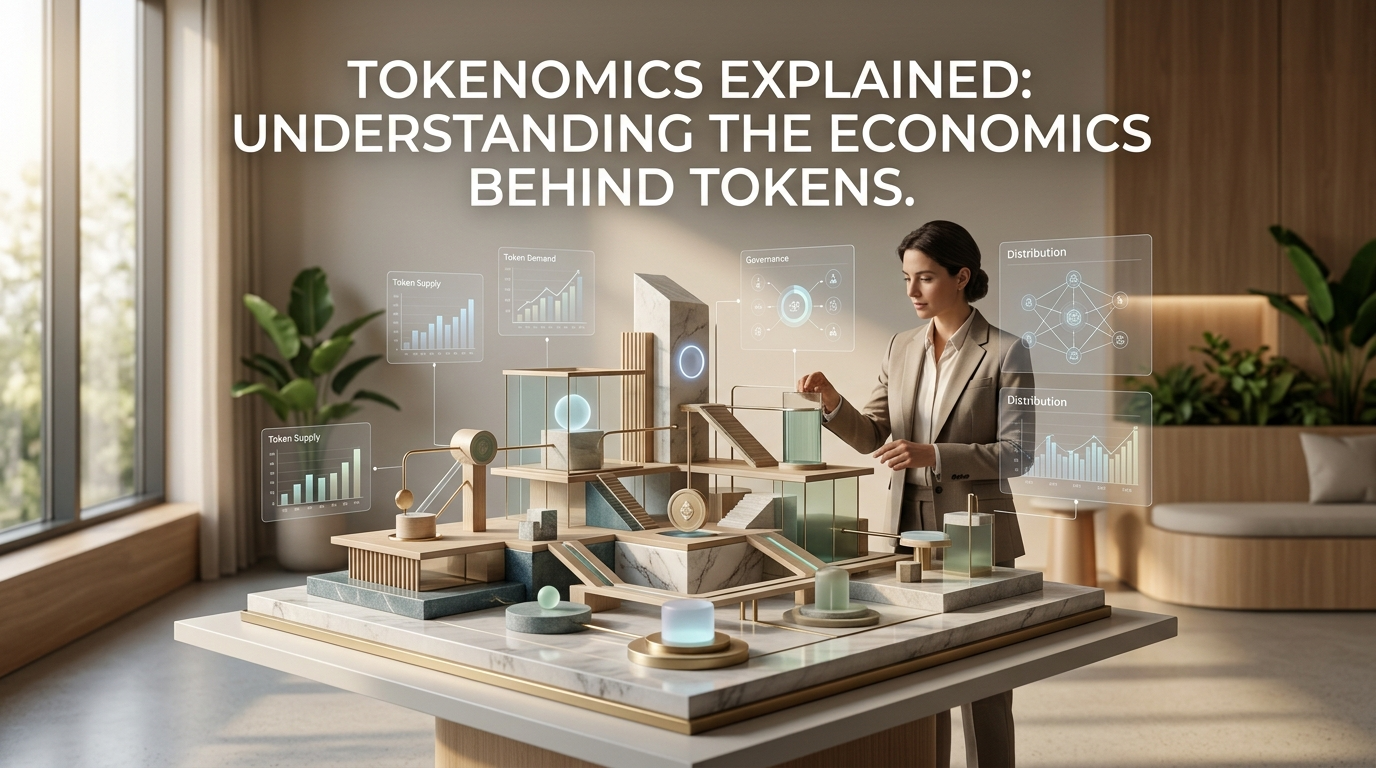
Introduction to Tokenomics
In the rapidly evolving world of blockchain and cryptocurrencies, tokenomics stands as a pivotal concept that dictates the success of many digital projects. Tokenomics, a portmanteau of ‘token’ and ‘economics,’ refers to the economic framework that underpins the use and distribution of digital tokens within a blockchain ecosystem. Understanding tokenomics is crucial for both developers and investors as it governs the value, utility, and sustainability of tokens.
The Importance of Tokenomics
Tokenomics plays a vital role in the blockchain ecosystem by influencing a token's viability and adoption. It involves the study of the supply and demand mechanics, utility, and distribution of tokens. A well-designed tokenomics model can ensure stability, encourage user participation, and foster long-term growth. Conversely, poor tokenomics can lead to volatility, low adoption, and ultimately, the failure of a project.
Core Components of Tokenomics
Tokenomics is built upon several core components that collectively shape the economic landscape of a digital asset. These components include:
- Token Supply: This refers to the total number of tokens that will ever exist, which can either be capped, as with Bitcoin's 21 million limit, or uncapped.
- Token Distribution: The initial distribution of tokens affects market power and user engagement. Common methods include ICOs (Initial Coin Offerings), airdrops, and staking rewards.
- Token Utility: The functional purpose of a token within its ecosystem is critical. Tokens may be used for governance, fuel network operations, or as a medium of exchange.
- Inflation and Deflation: Some tokens have mechanisms to control supply through inflationary or deflationary models, impacting their long-term value.
Process of Designing Tokenomics
Creating a sound tokenomics model involves a strategic process that aligns with the project's goals and technological framework. Here are the essential steps:
Step 1: Define the Token's Purpose
Before anything else, it is crucial to establish the token's primary function within the ecosystem. Whether it serves as a utility token, security token, or governance token, clarity in purpose is fundamental.
Step 2: Determine the Economic Model
This involves deciding between inflationary and deflationary models. An inflationary model increases the token supply over time, which can incentivize participation, while a deflationary model reduces supply to enhance value.
Step 3: Design the Distribution Mechanism
Choosing how tokens are distributed is crucial for achieving a balanced ecosystem. Options include pre-mining, ICOs, airdrops, and staking. The distribution method should align with the project’s long-term vision.
Step 4: Implement Governance Structures
Incorporating governance mechanisms allows token holders to influence decisions within the ecosystem. This can be achieved through on-chain or off-chain governance models.
Step 5: Establish Incentives
To encourage network participation, it is important to set up a system of rewards and incentives. This may involve staking rewards, liquidity incentives, or discounts on services.
Additional Considerations in Tokenomics
Regulatory Compliance
One of the increasingly important aspects of designing tokenomics is ensuring regulatory compliance. As governments around the world begin to establish clearer regulations around cryptocurrencies and digital assets, it is crucial for projects to align with these legal frameworks to avoid potential legal hurdles. This includes understanding securities laws, tax implications, and anti-money laundering (AML) requirements.
Security Measures
The security of a tokenomics model is paramount. Developers must ensure that smart contracts are audited and free from vulnerabilities, as these could be exploited to undermine the token's value or integrity. Security measures also include safeguarding against potential 'pump and dump' schemes, which can destabilize the token's market.
Community Building
Building a strong community is crucial for the success of a token. This involves transparent communication, regular updates, and active engagement with the token holders. A dedicated community can drive adoption and provide valuable feedback, helping to refine and improve the tokenomics model over time.
Use Cases of Tokenomics
Tokenomics is applied across various sectors, each demonstrating its unique benefits and challenges. Prominent use cases include:
Cryptocurrency Projects
Cryptocurrencies like Bitcoin and Ethereum have clear tokenomics models that define their supply, distribution, and utility, underpinning their widespread adoption and market value.
Decentralized Finance (DeFi)
DeFi platforms utilize tokenomics to facilitate lending, borrowing, and trading without intermediaries. Tokens often serve governance roles or provide liquidity incentives. For example, Compound and Aave have implemented tokenomics that reward users for providing liquidity or participating in governance.
Non-Fungible Tokens (NFTs)
In the NFT space, tokenomics determines the creation, sale, and ownership of digital art and collectibles, ensuring artists and investors understand the value dynamics. Platforms like OpenSea and Rarible use tokenomics to incentivize creators and collectors, offering royalties and other rewards to foster engagement.
Emerging Trends in Tokenomics
As the blockchain industry continues to evolve, new trends in tokenomics are emerging that could shape the future of digital assets.
Tokenization of Real-World Assets
There is a growing trend towards tokenizing real-world assets, such as real estate, art, and commodities. This process involves creating digital tokens that represent ownership or rights to physical assets, enabling greater liquidity and fractional ownership. Tokenomics models in this space must consider factors like market regulations and asset valuation.
Integration with Traditional Finance
Tokenomics is increasingly intersecting with traditional finance, with more projects exploring hybrid models that combine blockchain with existing financial systems. This includes initiatives like central bank digital currencies (CBDCs) and stablecoins, which aim to bridge the gap between fiat currencies and digital assets.
Measuring the Success of Tokenomics
Assessing the effectiveness of a tokenomics model involves several criteria:
- Market Capitalization: The total market value of a token reflects its acceptance and success.
- User Engagement: Active participation rates indicate the token's utility and appeal.
- Liquidity: High liquidity suggests ease of trading and stability in value.
- Adoption Rate: The rate at which new users join the network shows growth potential.
- Governance Participation: The level of involvement and voting by token holders can reveal the effectiveness of governance mechanisms.
Conclusion
Tokenomics is an essential element of the blockchain ecosystem that determines the economic health and sustainability of a digital asset. By understanding its components and processes, stakeholders can better design and evaluate blockchain projects, ensuring long-term viability and growth. As the digital landscape continues to evolve, the importance of robust tokenomics models will only become more pronounced, providing a foundation for innovative applications and financial systems. With emerging trends and increased integration with traditional finance, tokenomics will play a critical role in the future of digital economies.
Challenges in Implementing Tokenomics
While tokenomics offers immense potential in shaping a project's trajectory, it is not without challenges. Understanding these hurdles is crucial for successful implementation and long-term sustainability.
Volatility and Market Manipulation
The cryptocurrency market is notorious for its volatility, which can be exacerbated by poorly designed tokenomics. Market manipulation, such as pump and dump schemes, can significantly distort token value and investor trust. Implementing mechanisms to monitor and mitigate these risks is vital for maintaining market integrity.
Scalability Issues
As blockchain projects grow, scalability becomes a critical concern. Tokenomics models must account for increasing network demands and transaction volumes. High transaction fees and slow processing times can deter new users and affect the ecosystem's efficiency.
Innovative Tokenomics Models
Emerging projects are experimenting with innovative tokenomics models to address traditional challenges and enhance user experience.
Dynamic Supply Models
Some projects are exploring dynamic supply models where the token supply adjusts based on market conditions. This approach aims to stabilize the token's value and provide flexibility in response to changing market demands.
Reputation-Based Systems
Incorporating reputation-based systems into tokenomics can incentivize positive behavior within the community. By rewarding users for valuable contributions, projects can foster a more engaged and cooperative ecosystem.
Cross-Chain Tokenomics
With the rise of multi-chain ecosystems, cross-chain tokenomics enables tokens to operate across different blockchain networks. This model enhances interoperability and accessibility, offering users a seamless experience in utilizing tokens across various platforms.
Future Outlook for Tokenomics
The future of tokenomics is poised for significant evolution as technology advances and market dynamics shift.
Advancements in Smart Contract Technology
As smart contracts become more sophisticated, they will enable more complex tokenomics frameworks. This evolution can lead to greater automation, reducing the need for manual intervention and enhancing efficiency in token management.
Increased Adoption of Decentralized Autonomous Organizations (DAOs)
DAOs are becoming increasingly popular as governance structures within tokenomics models. By enabling decentralized decision-making, DAOs can enhance transparency and community involvement, leading to more democratic ecosystems.
The continual development of tokenomics models will likely see more integration with both blockchain technology and traditional financial systems, paving the way for a more interconnected and innovative digital economy.